

If you’re asking “What metal materials support 3D printing?”, you’re likely diving into the rapidly evolving world of additive manufacturing—where precision, flexibility, and material versatility are reshaping how industrial parts are designed and produced. Metal 3D printing, also known as metal additive manufacturing, has revolutionized industries by enabling the creation of complex, custom components that are difficult or impossible to produce with traditional machining. A wide range of metal materials are compatible with 3D printing, each selected for its unique properties to meet the demands of specific applications.
The most commonly used metal materials that support 3D printing include stainless steel, a versatile and cost-effective option ideal for industrial components, automotive parts, and medical devices. Stainless steel 3D printed parts offer excellent corrosion resistance, strength, and durability, making them suitable for harsh environments and high-wear applications. Titanium and titanium alloys are also widely used in metal 3D printing, particularly in aerospace and medical industries—their high strength-to-weight ratio, biocompatibility, and heat resistance make them perfect for aircraft components, orthopedic implants, and dental prosthetics.
Aluminum and aluminum alloys are another popular choice for metal 3D printing, valued for their lightweight nature and excellent thermal conductivity. They are commonly used in automotive, aerospace, and electronics industries to produce lightweight, high-performance parts such as engine components, heat sinks, and electronic enclosures. Additionally, copper and copper alloys support 3D printing, offering superior electrical and thermal conductivity—making them ideal for electrical connectors, heat exchangers, and electronic components where energy transfer is critical.
Beyond these common materials, high temperature alloys (such as Inconel and Hastelloy) are compatible with metal 3D printing, designed to withstand extreme heat and corrosion for aerospace, energy, and chemical industry applications. Precious metals like gold and silver also support 3D printing, used in high-end jewelry, dental restorations, and decorative components. Even powder metallurgy-based metals, including iron-based and nickel-based alloys, can be 3D printed, combining the benefits of additive manufacturing with the uniform density and mechanical properties of powder metallurgy.
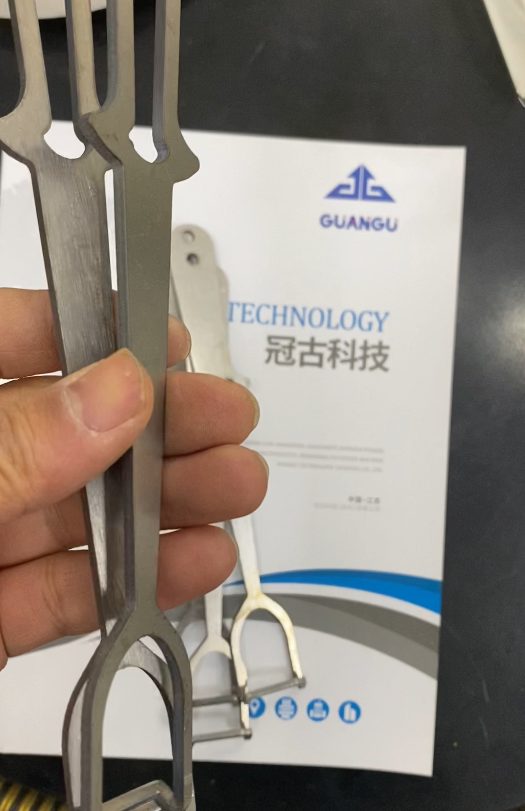
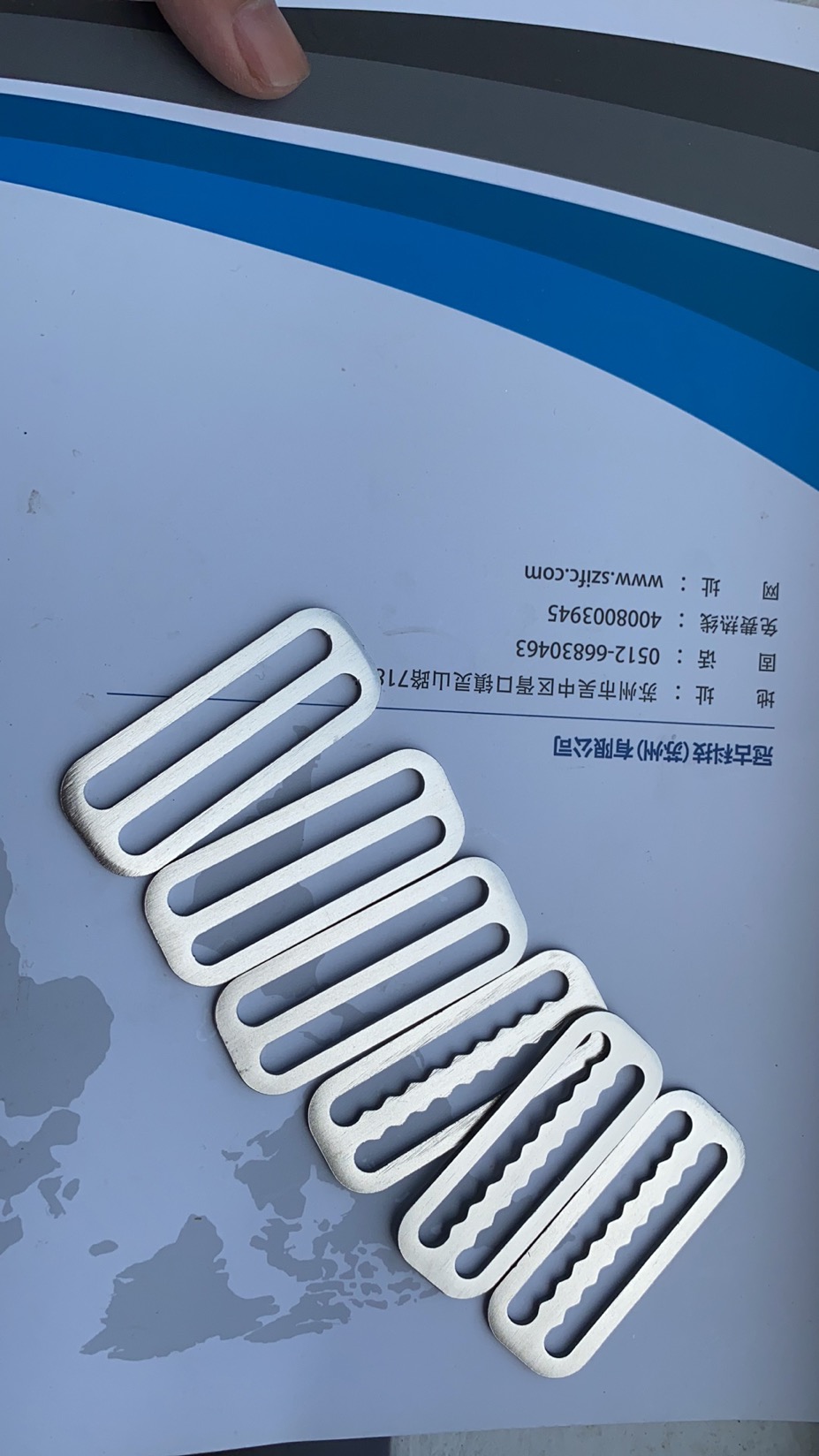
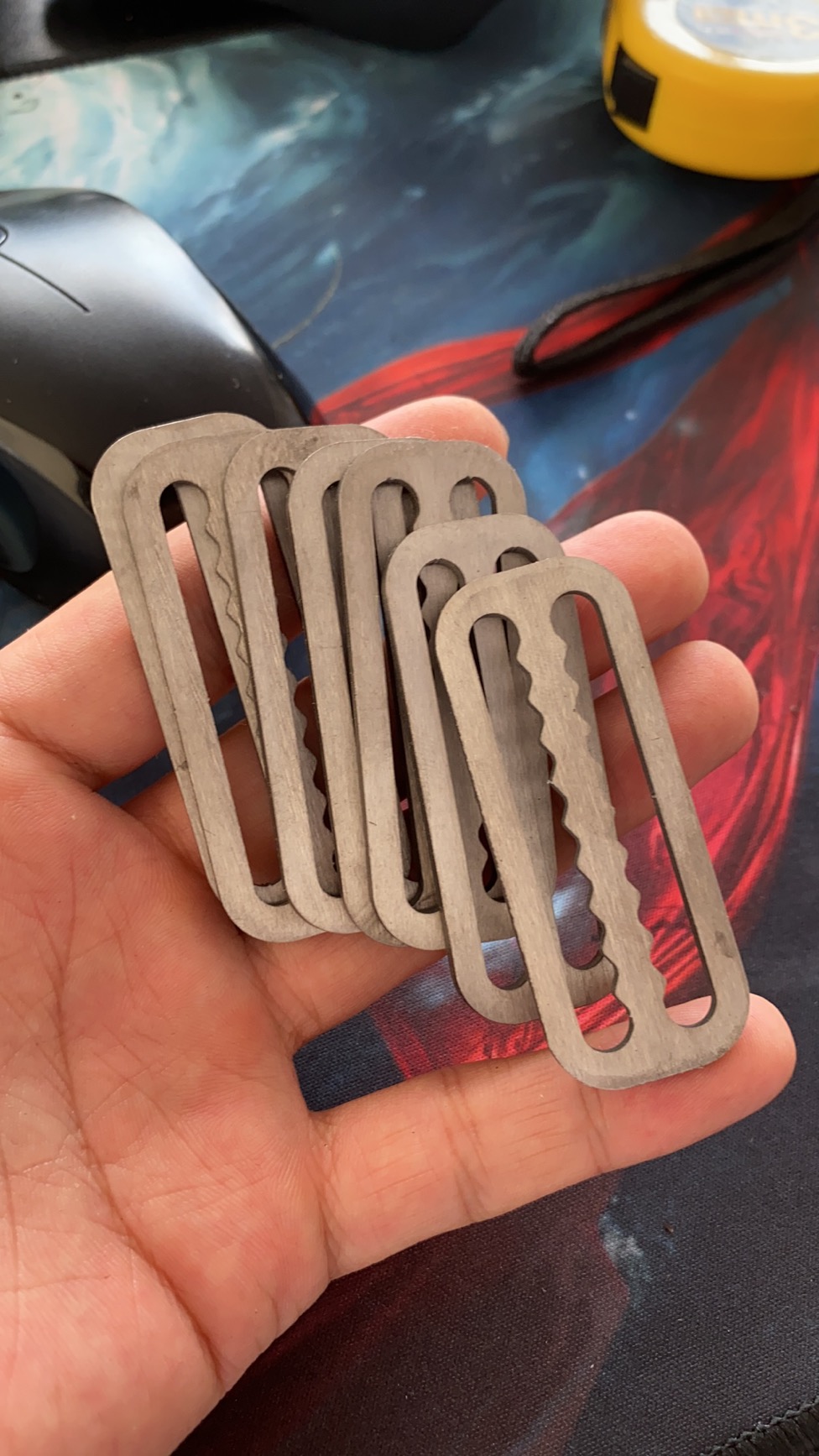
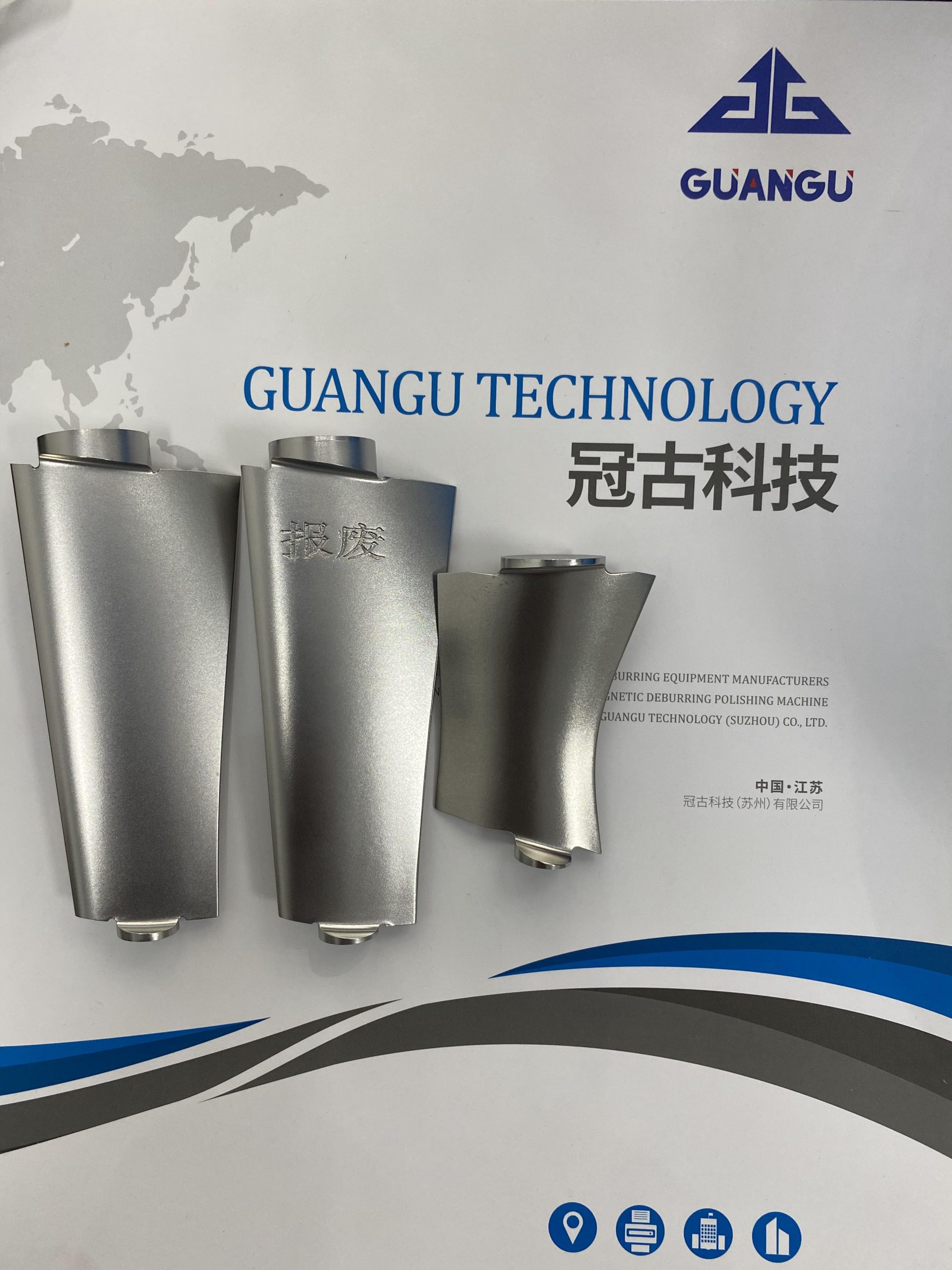
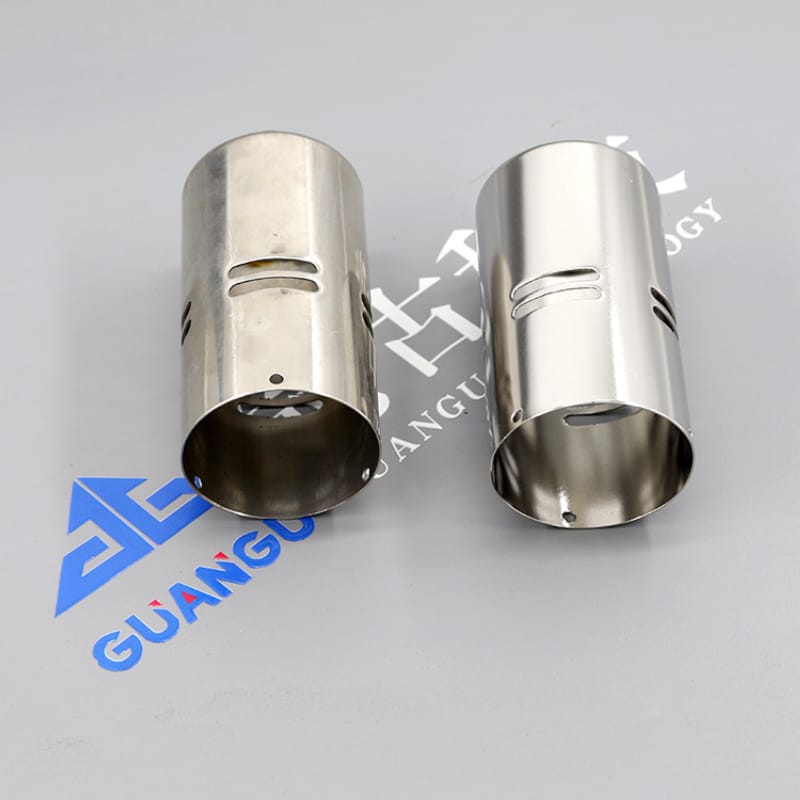
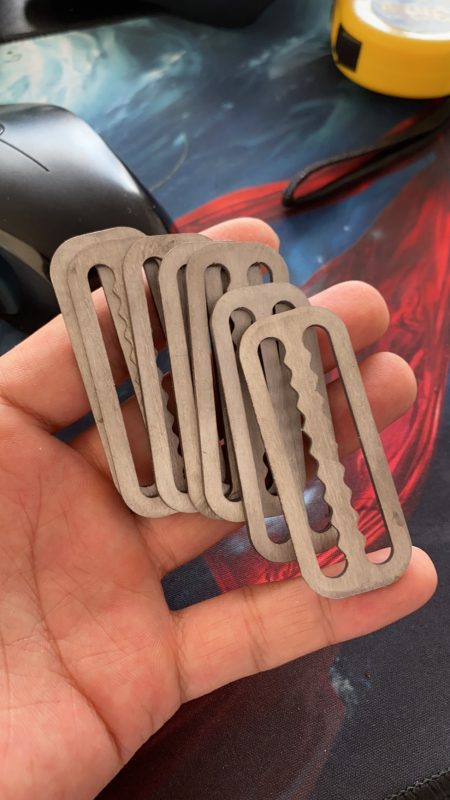
While metal 3D printing delivers unparalleled design flexibility and precision, the process can leave minor surface imperfections—such as layer lines, burrs, or oxidation layers—on the finished parts. These defects can compromise the part’s performance, aesthetics, and durability, especially in high-precision or critical applications like aerospace components, medical implants, or electronic parts. Achieving a smooth, flawless surface finish is essential to unlocking the full potential of 3D printed metal parts.
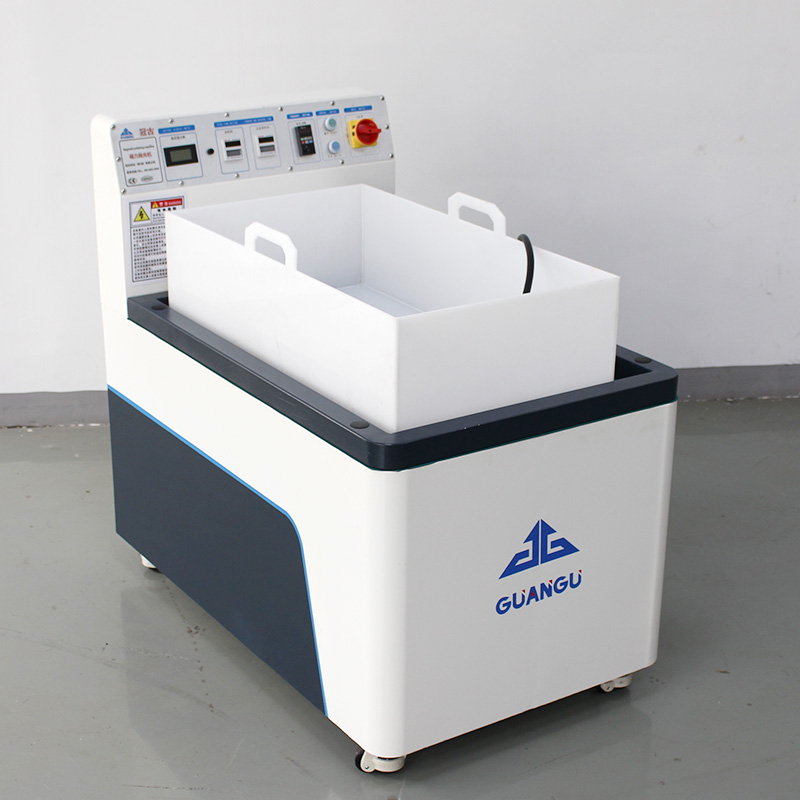
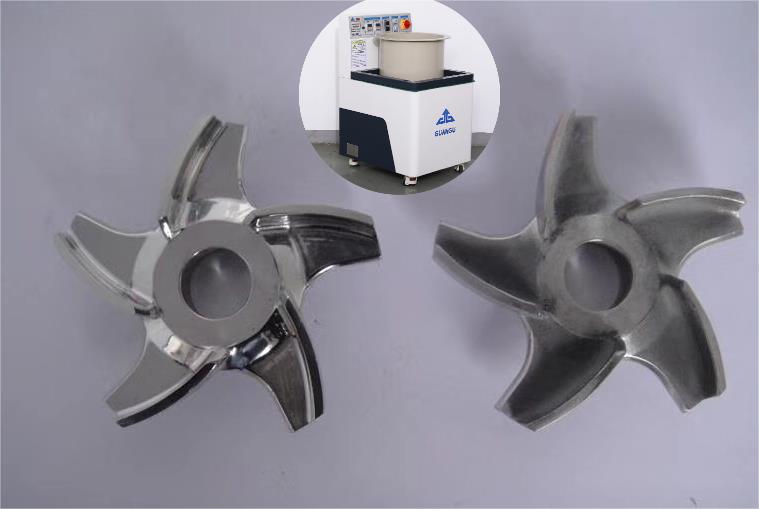
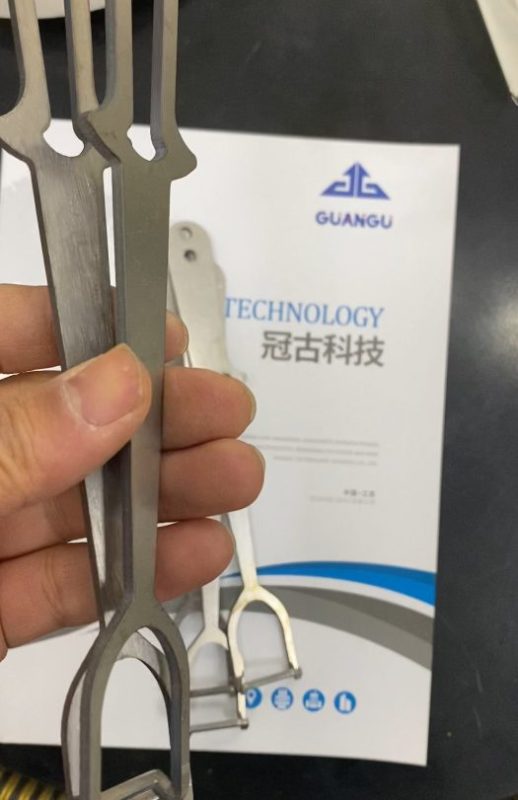
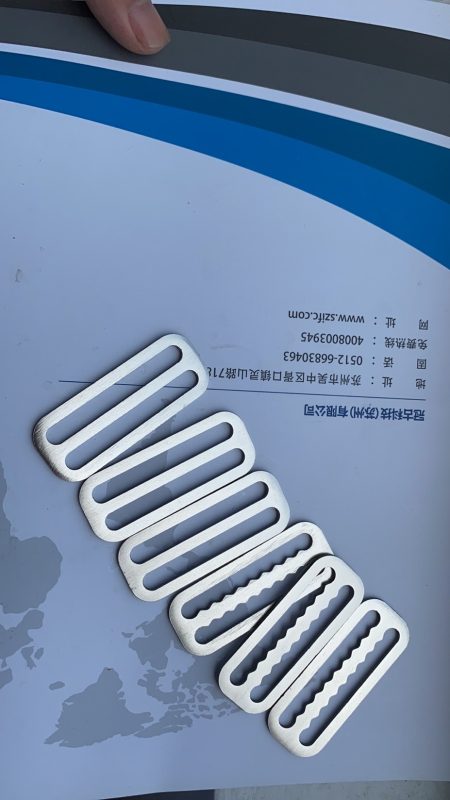
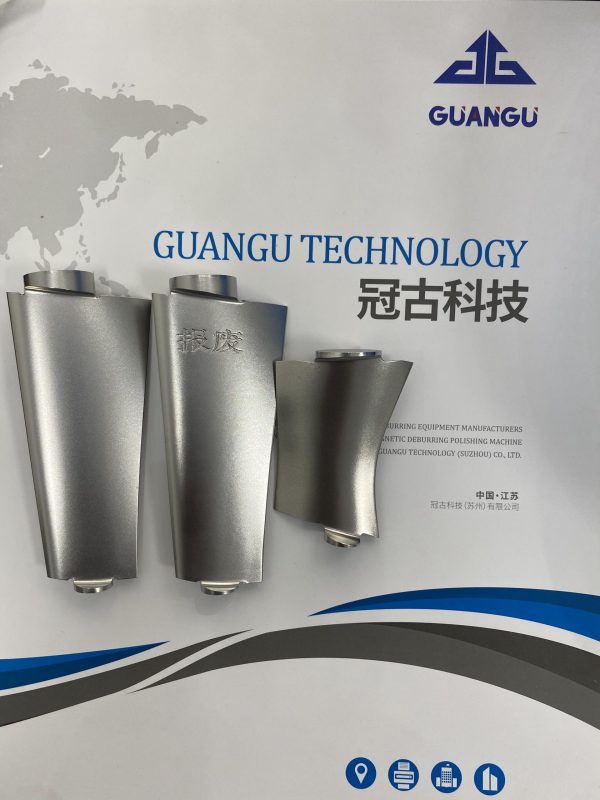
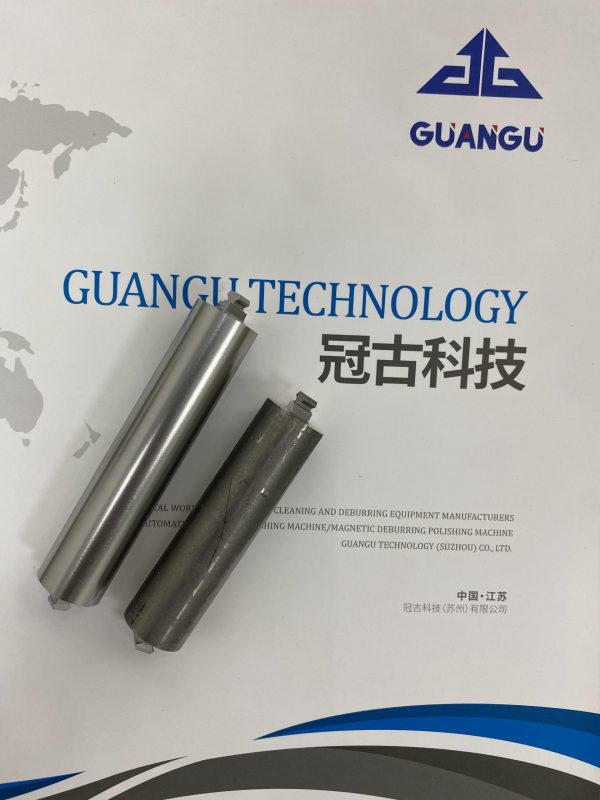
This is where Suzhou Guangu Technology (Suzhou) Co., Ltd. provides the perfect solution. As a professional manufacturer specializing in magnetic polishing machines, we engineer equipment specifically tailored to refine 3D printed metal parts. Our magnetic polishers are designed to handle the unique properties of 3D printable metals—from the hardness of titanium alloys to the conductivity of copper—efficiently removing layer lines, burrs, and surface defects without damaging the part’s complex geometry or dimensional accuracy.
Unlike traditional polishing methods that are labor-intensive, time-consuming, and prone to damaging complex 3D printed shapes, our magnetic polishing machines feature 360° dead-angle polishing, intelligent control systems, and eco-friendly grinding modes. They support batch processing of 3D printed metal parts, ensuring stable, repeatable surface finishes that meet the strict standards of aerospace, medical, automotive, and electronics industries. Our technology not only enhances the surface smoothness of 3D printed parts but also strengthens their wear resistance and corrosion resistance, further optimizing their performance and service life.
Whether you’re 3D printing stainless steel industrial components, titanium medical implants, aluminum aerospace parts, or copper electronic connectors, Suzhou Guangu’s magnetic polishing machines are your trusted partner to elevate product quality. Backed by years of expertise in metal surface treatment, we offer customizable equipment, comprehensive after-sales support, and competitive pricing to meet your production needs. Now that you know what metal materials support 3D printing, choose Guangu to ensure your 3D printed metal parts deliver exceptional precision, durability, and performance. Contact us today to discuss your polishing requirements and get a tailored quote.
No account yet?
Create an Account


 Product Category – Mirror polishing machine
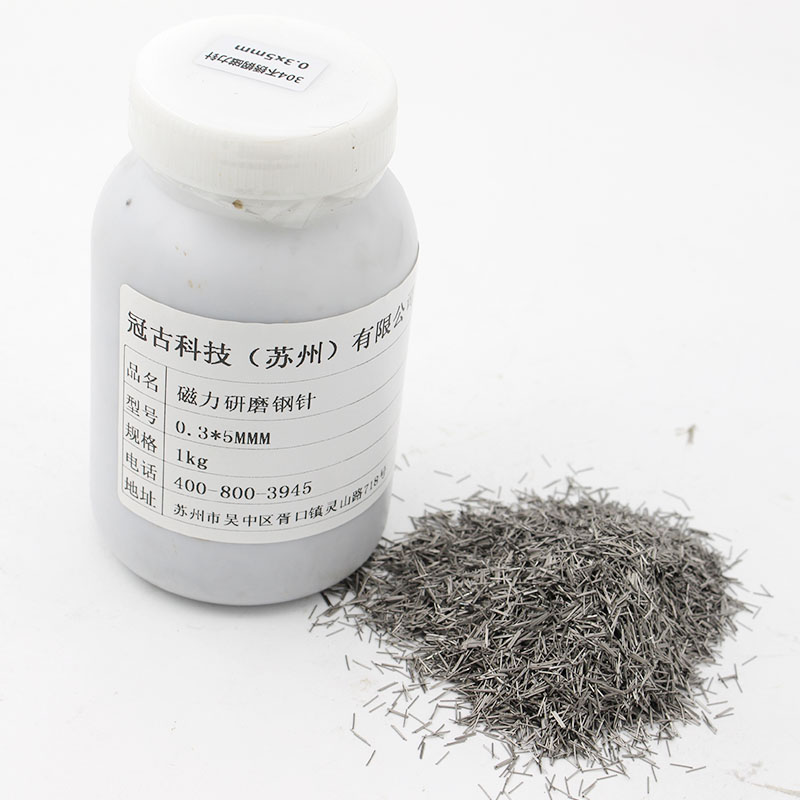
 Product Category – Magnetic Pin