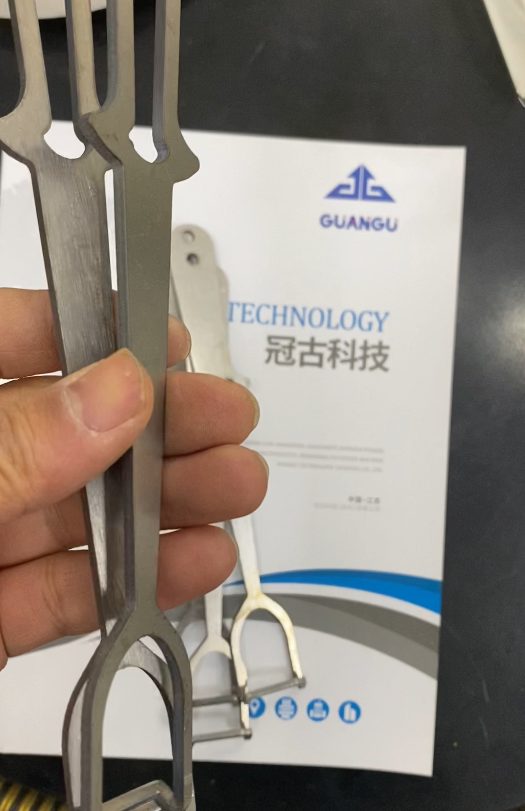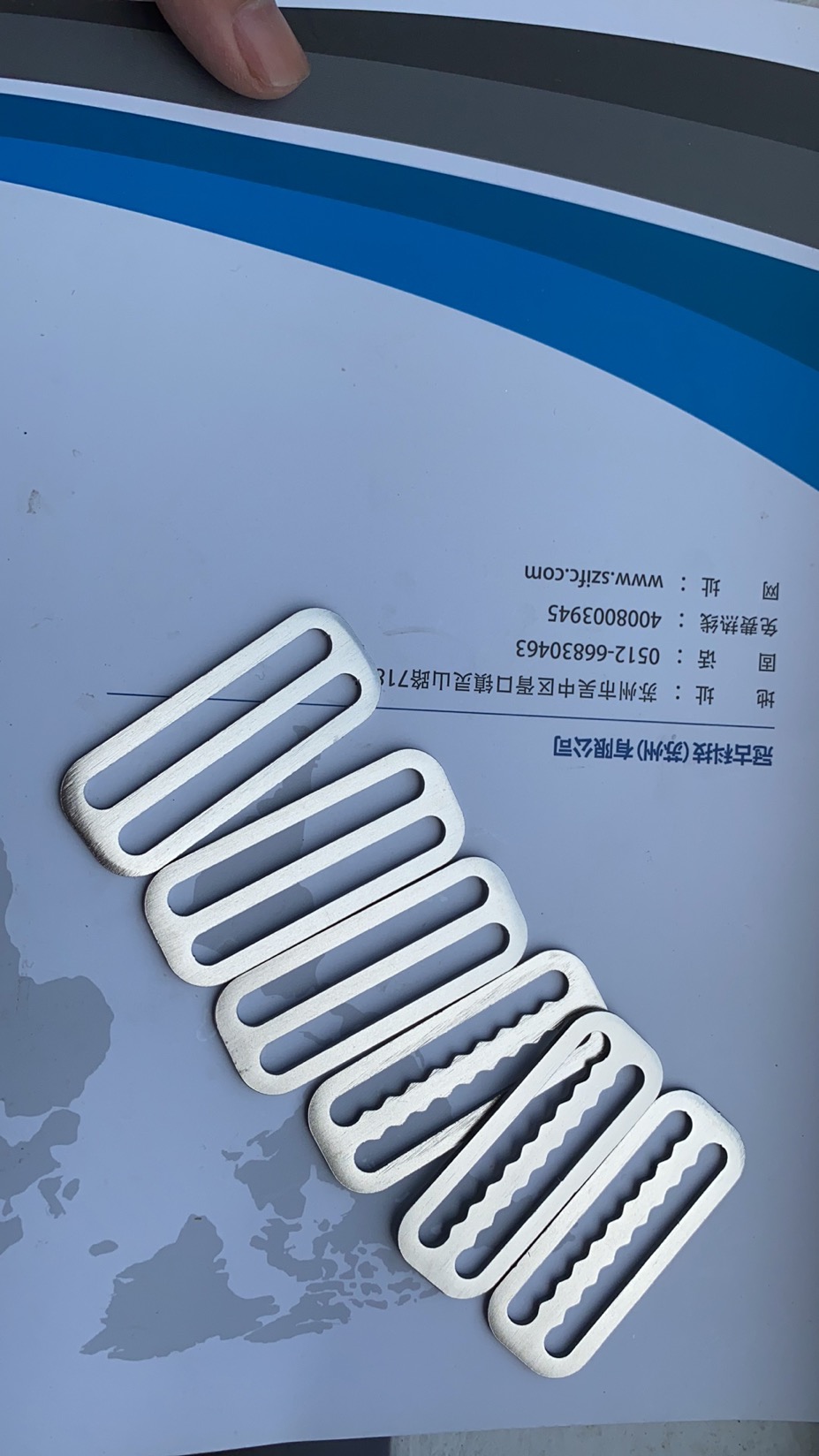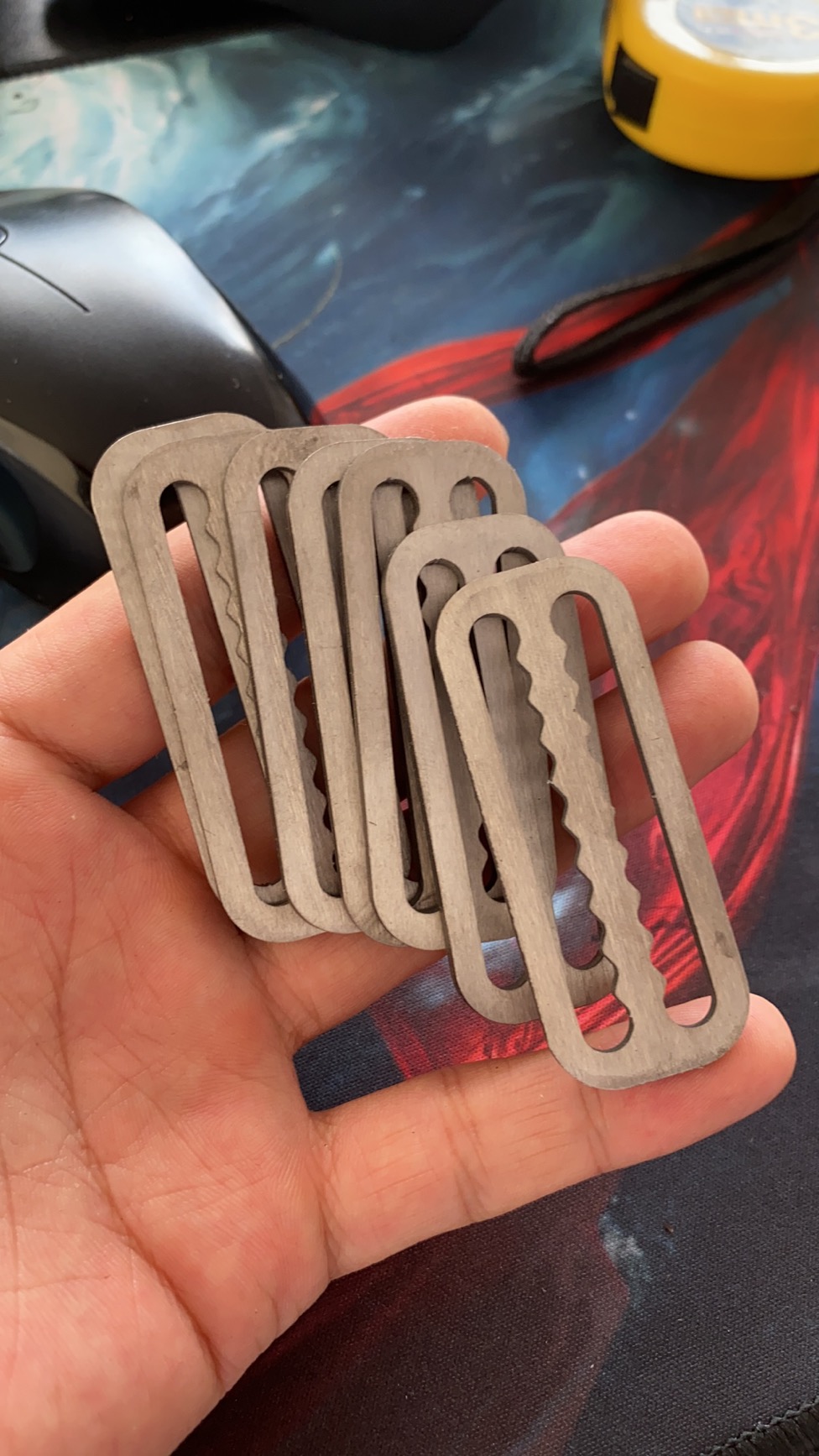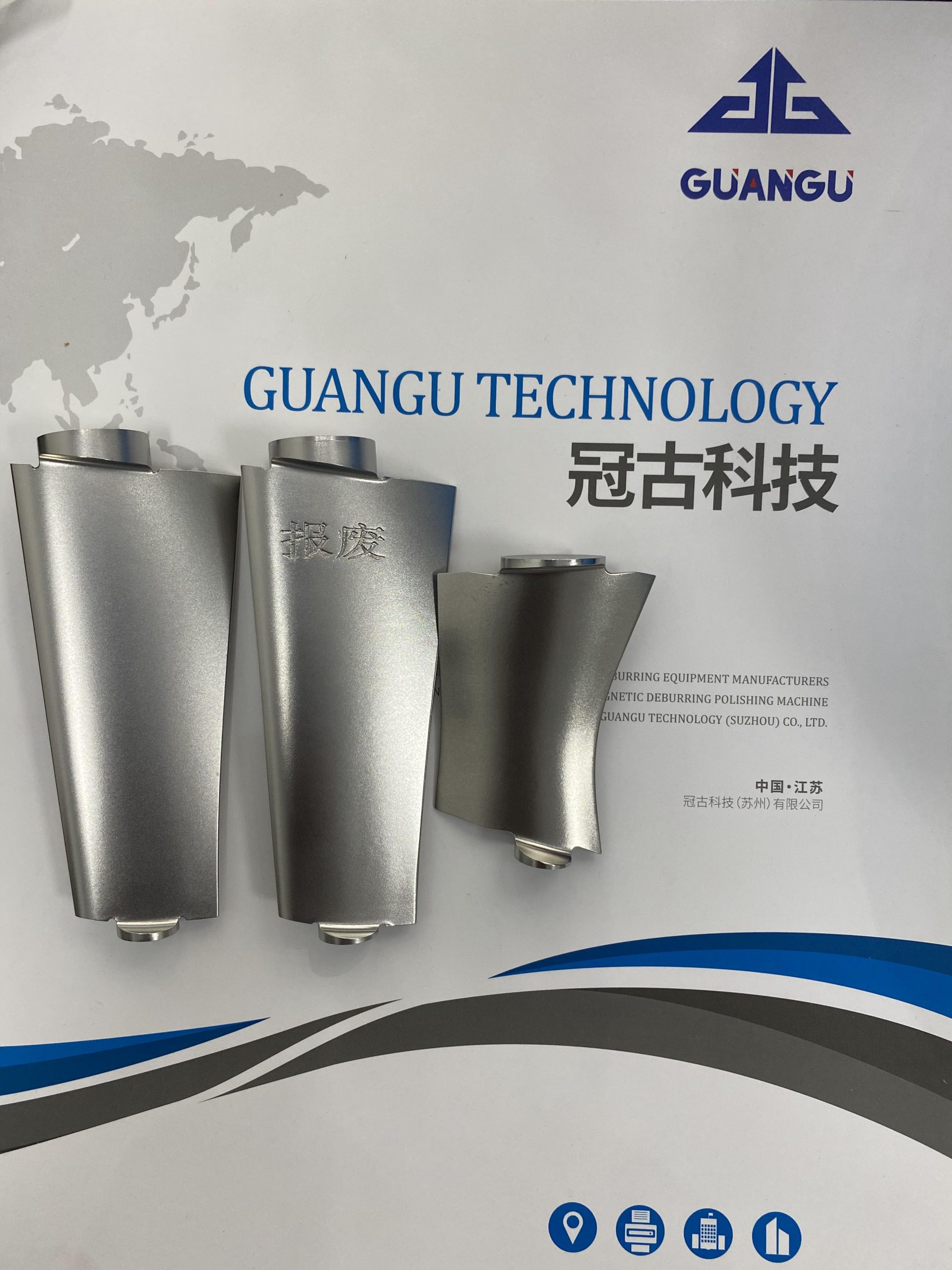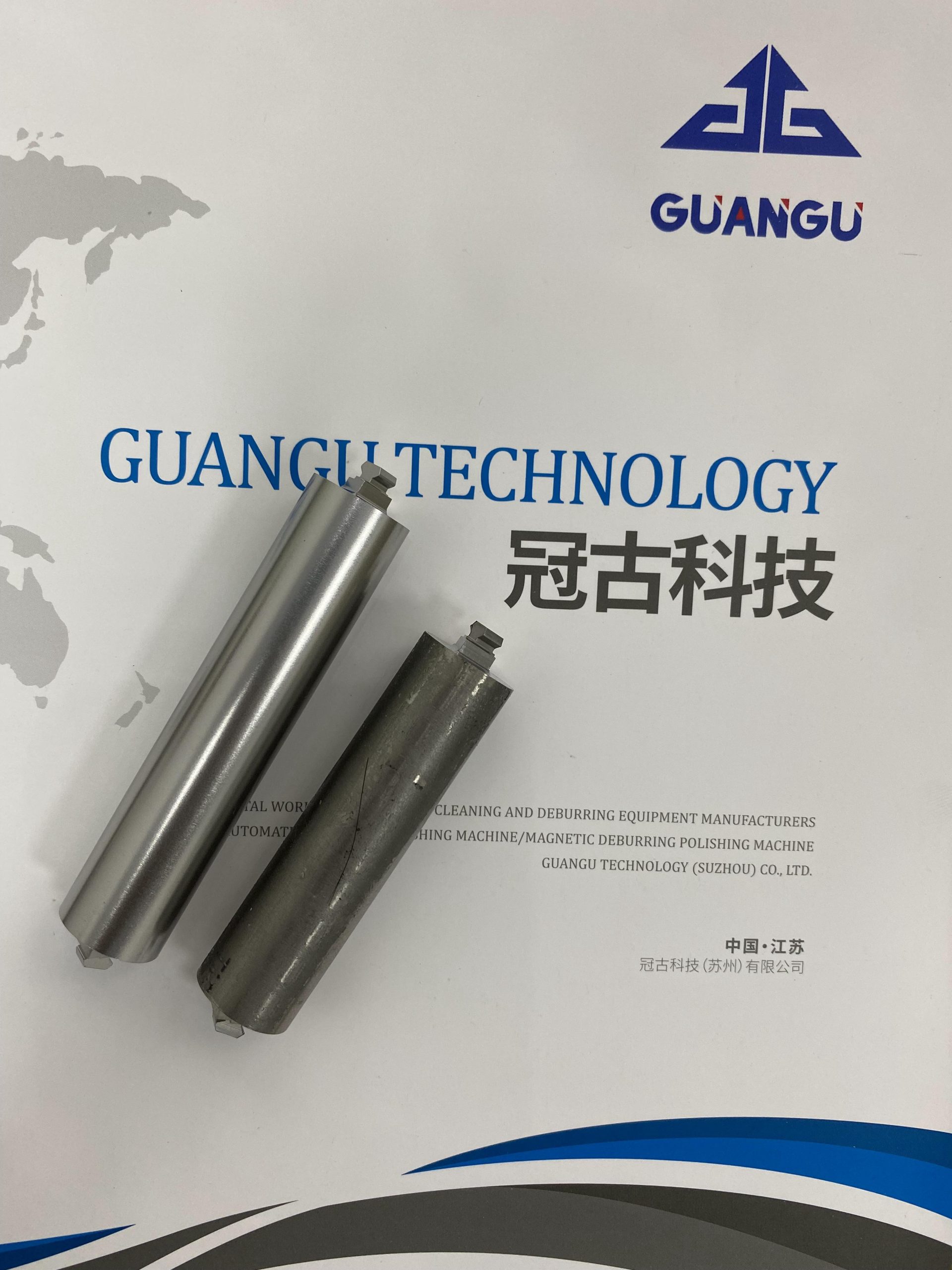
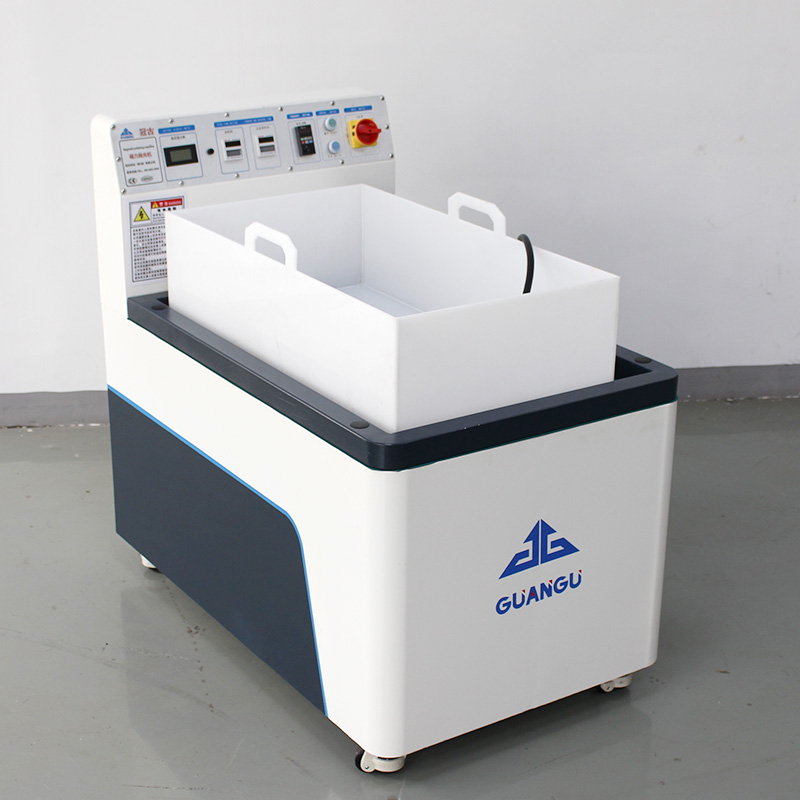

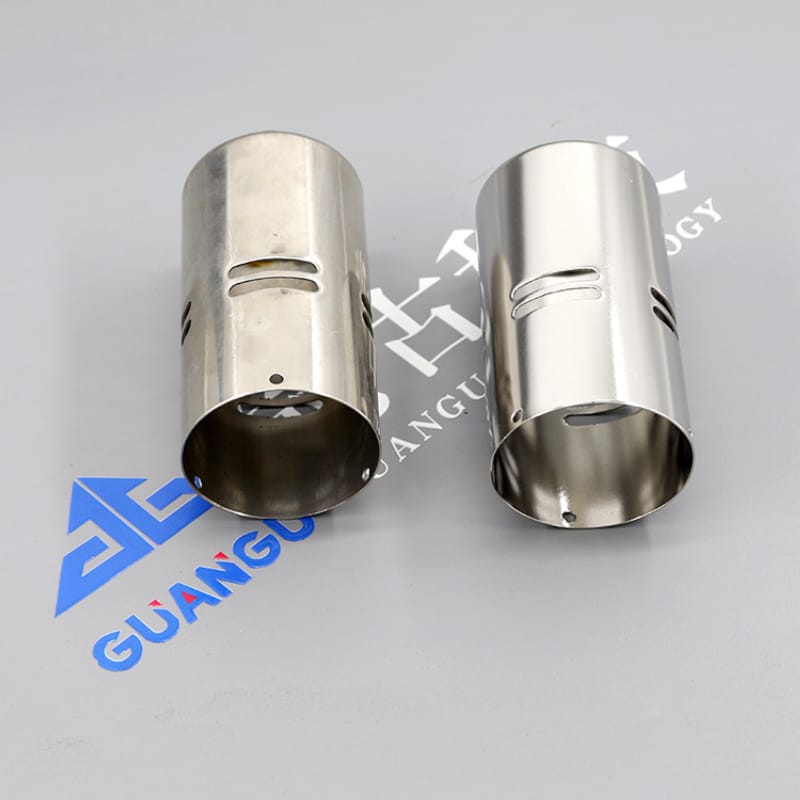

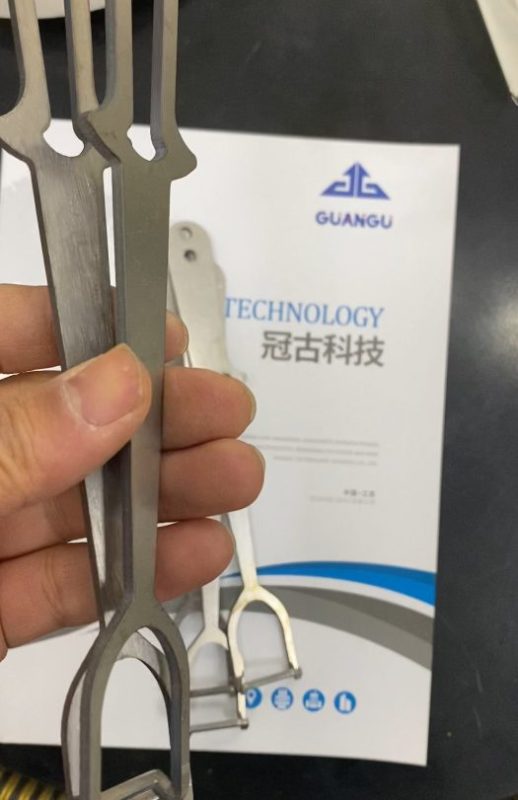
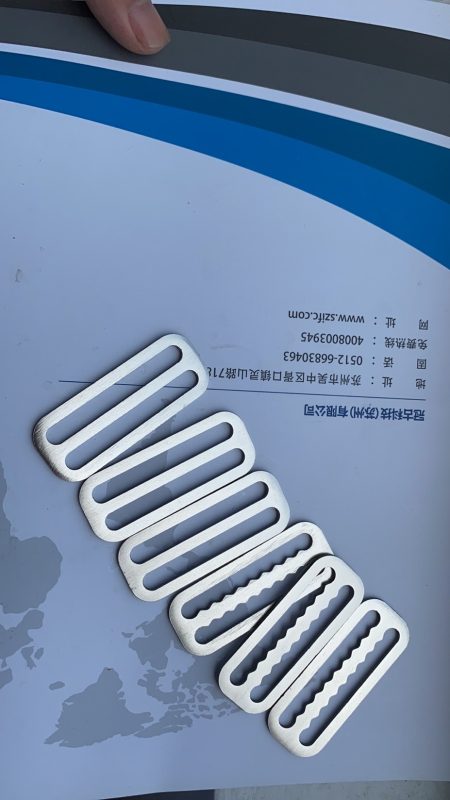
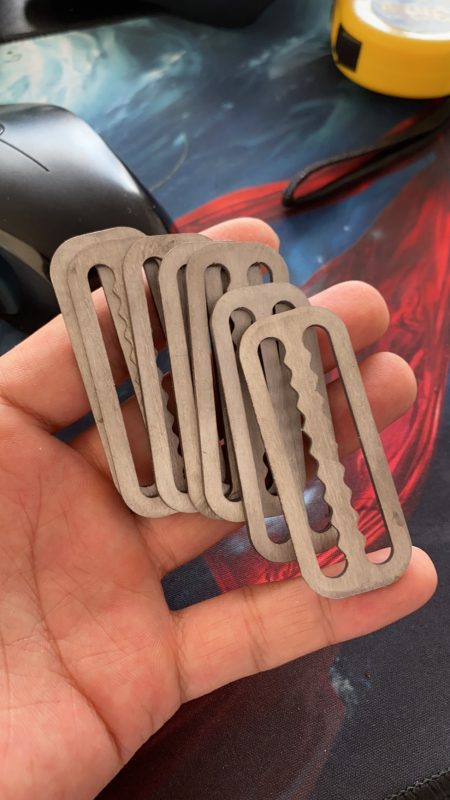
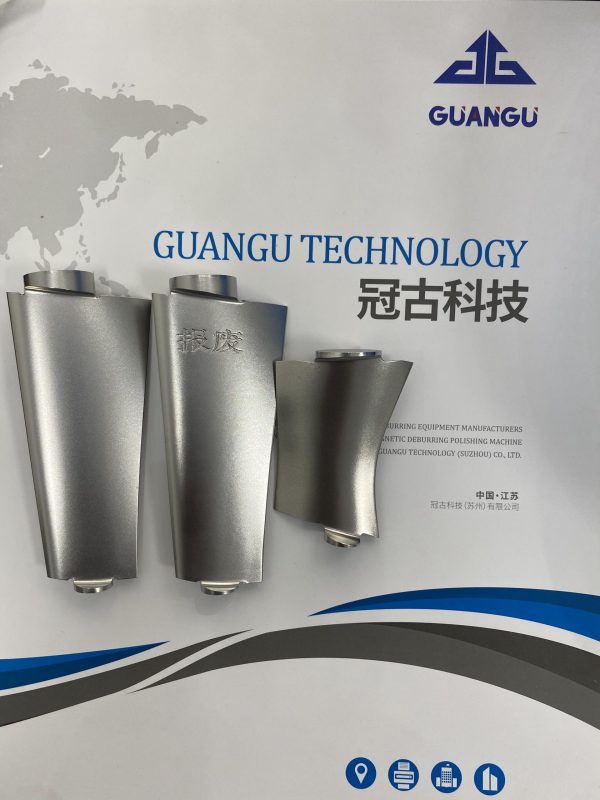
In the fast-developing field of Electronic products, appearance, precision and durability are crucial to product competitiveness—especially for the small, delicate metal components that form the core of many electronic devices. From the slim metal frames of smartphones and laptops to the tiny precision connectors on circuit boards, the compact lens rings of cameras, and the small metal contacts of smart wearables, a smooth, flawless surface not only enhances product aesthetics but also ensures structural stability and long service life. Our metal polishing machines are specially optimized for the electronic products industry, combining advanced technology and efficient design to become a core production tool for electronic manufacturers, perfectly adapting to the processing needs of small electronic components.
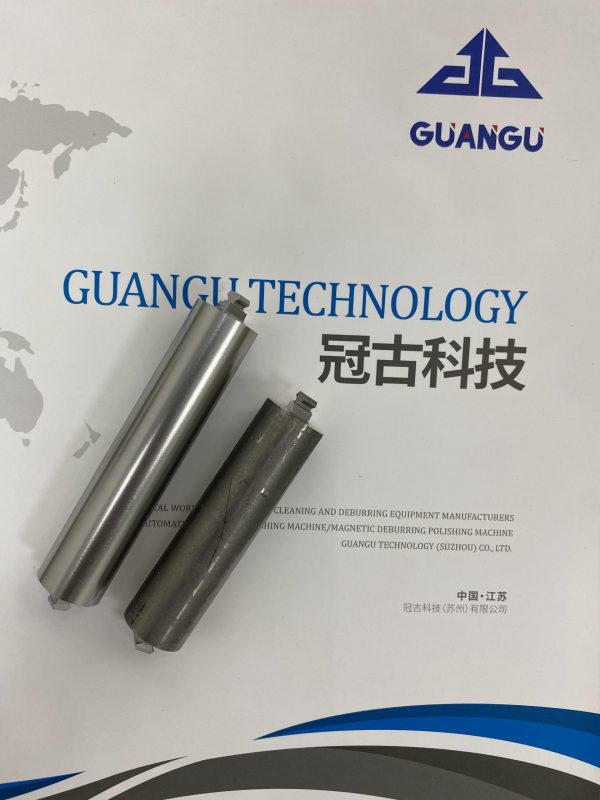
The most outstanding advantage of our metal polishing machines is their high-precision polishing capability, which is perfectly tailored to the small, delicate components of electronic products. Equipped with intelligent control systems and high-precision sensors, the machines can accurately adjust polishing parameters—such as pressure, speed and polishing time—according to the tiny size, thin thickness and special material of electronic parts. Whether it is a slim smartphone frame, a tiny precision connector, a compact camera lens ring or a small metal contact on a circuit board, the machine can achieve precise polishing without damaging the components. This precise control ensures that the surface roughness of metal parts reaches Ra < 0.3 μm, eliminating tiny scratches, burrs and unevenness that affect product appearance and performance, while avoiding deformation of fragile, small electronic components that are easily damaged by improper polishing.
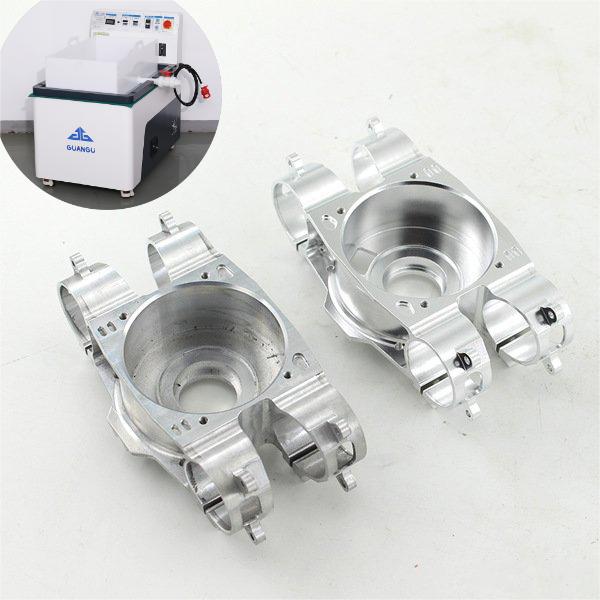
Efficiency and consistency are essential for mass production of electronic products—especially for small parts that require high-volume output—and our machines excel in this regard. Compared with traditional manual polishing, which is inefficient and prone to errors when handling small components, our automatic metal polishing machines can achieve continuous batch operation, with a polishing efficiency 3-5 times higher than manual work. The intelligent memory function can store up to 100 sets of polishing parameters, which can be quickly called for the same type of small electronic parts, ensuring uniform surface finish of each tiny component and avoiding quality differences caused by manual operation errors.
Strong versatility, combined with excellent adaptability to small parts, makes our machines suitable for all common metal materials in electronic products, including aluminum alloy, stainless steel, magnesium alloy and copper. They can complete one-stop polishing from rough grinding to fine polishing for small components, and can produce mirror, matte and brushed surfaces according to different design needs of electronic products. This not only matches the stylish appearance of high-end electronics but also ensures that small metal parts fit perfectly with other components, enhancing overall product quality and value.
In addition, the machines are designed with the electronic industry’s production characteristics and the needs of small component processing in mind. The compact structure saves workshop space, which is particularly practical for enterprises producing large quantities of small electronic parts. The built-in dust collection system effectively reduces metal dust, protecting the clean production environment required for electronic components—especially small parts that are easily contaminated by dust. The low-noise operation and energy-saving design also help enterprises reduce production costs and achieve green production, while ensuring stable processing of small electronic components.
For the electronic products industry that pursues excellence—especially in the processing of small, precision components—our metal polishing machines are more than just processing equipment—they are a guarantee of product quality and efficiency. They perfectly adapt to the processing needs of small electronic parts, help manufacturers improve production efficiency, enhance product competitiveness, and empower the development of high-end electronic products.
No account yet?
Create an Account
 Product Category – Mirror polishing machine
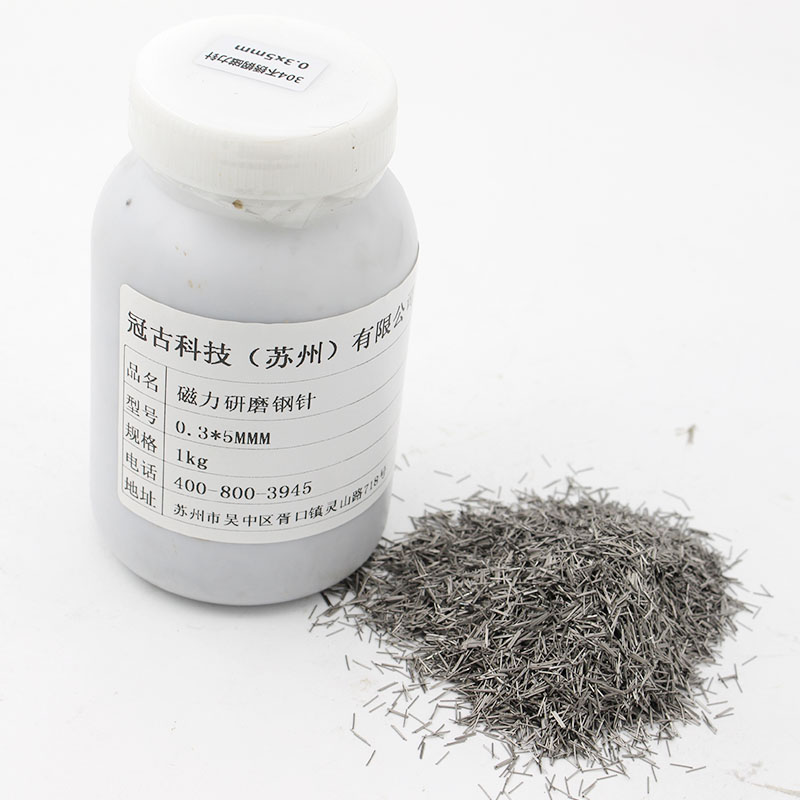
 Product Category – Magnetic Pin