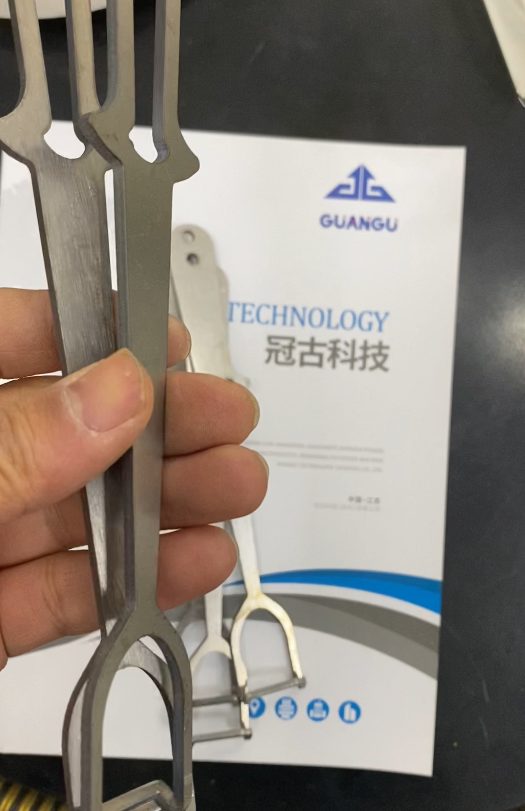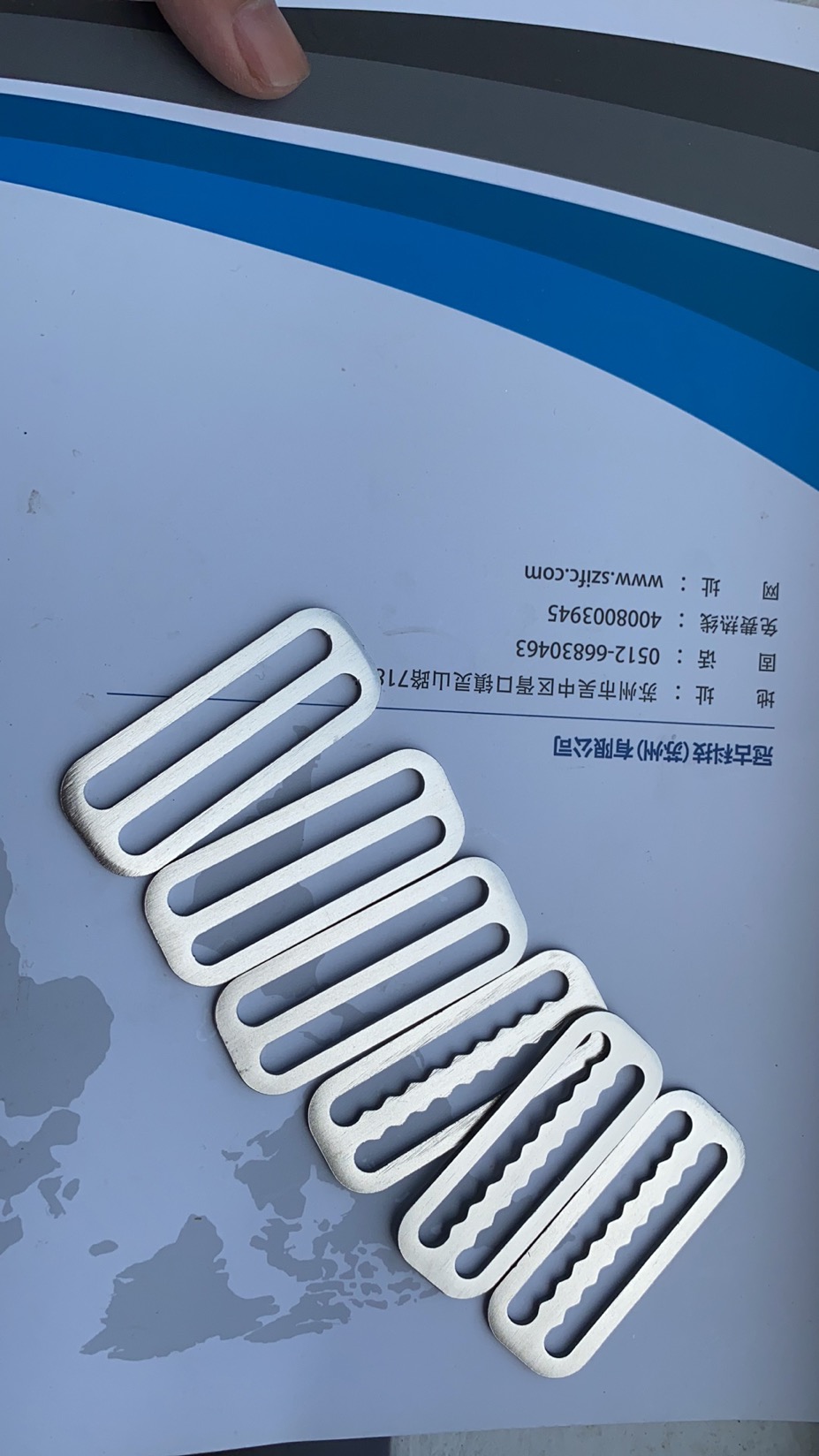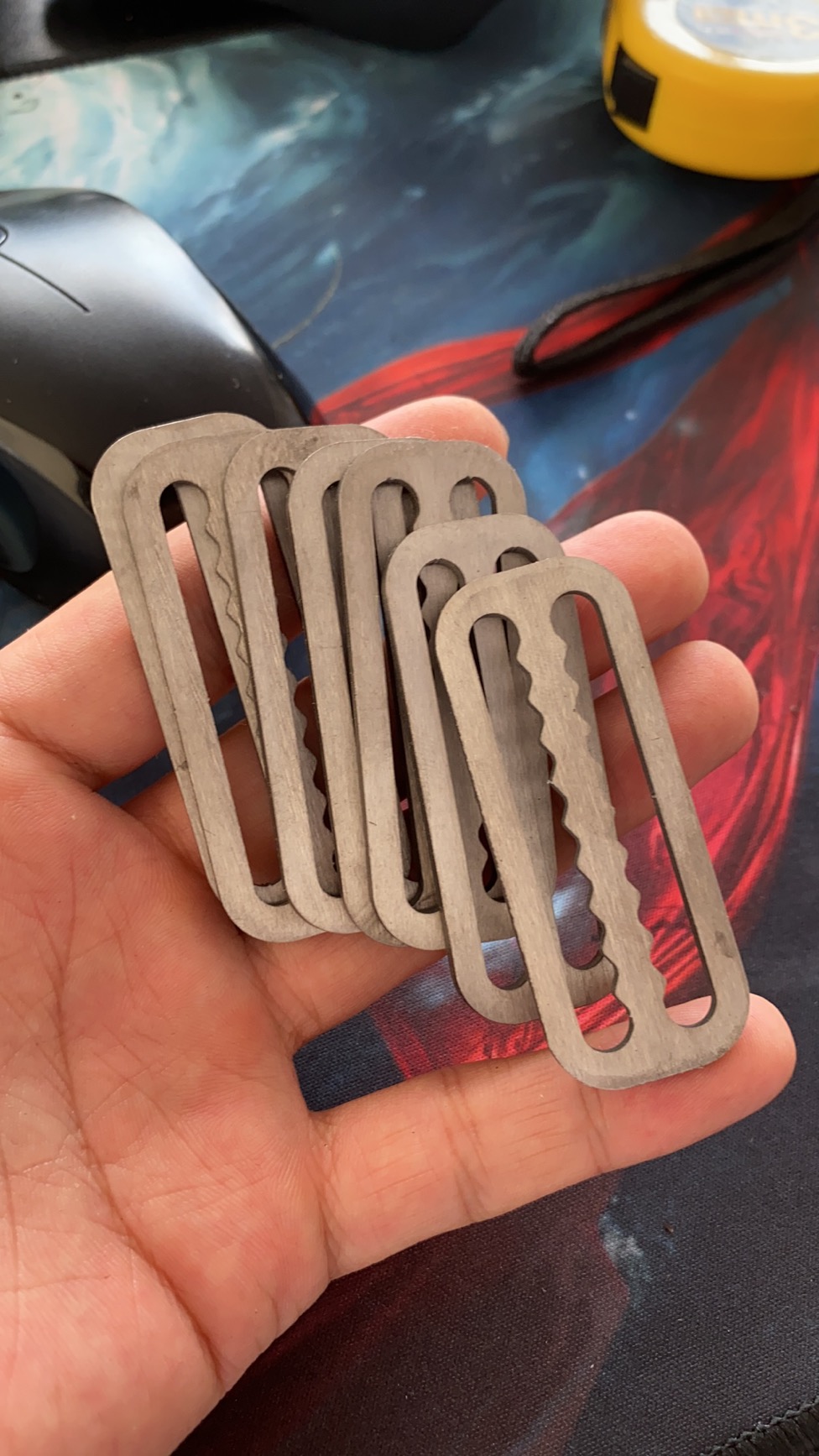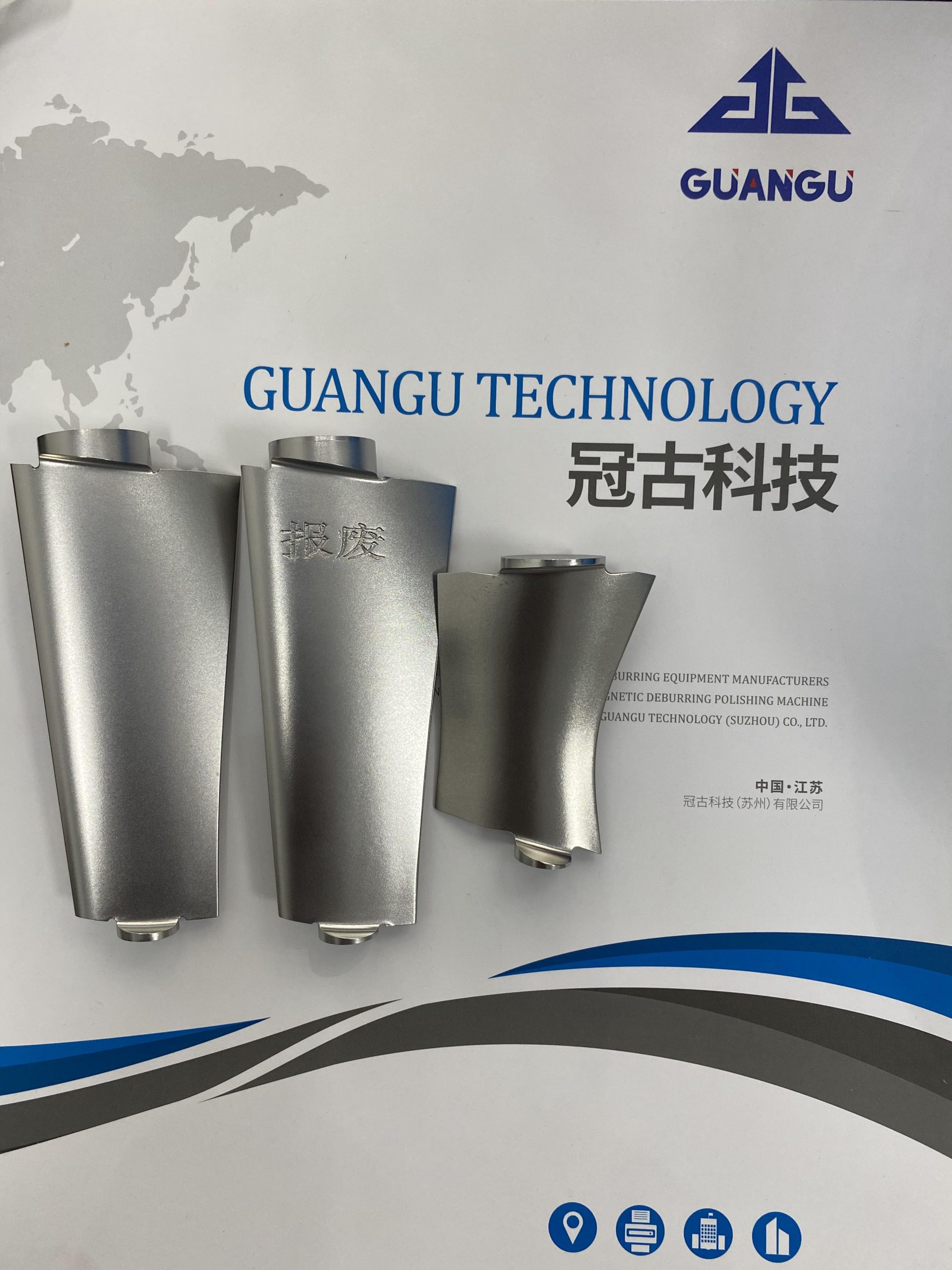

Instruments and Meters cover a wide range of precision equipment, from laboratory analytical instruments (such as gas chromatographs and spectrophotometers) to industrial on-line detection meters (including pressure transmitters and flow meters). These devices rely heavily on their core metal components—such as precision valve cores, sensor probes, instrument casings, and connecting terminals—to ensure stable operation and accurate data output. Made of stainless steel, aluminum alloy, and brass, these metal parts require extremely high surface finish and dimensional precision, as even tiny burrs or micro-scratches can lead to air leakage, signal interference, or measurement deviation, directly affecting the reliability of the entire instrument.
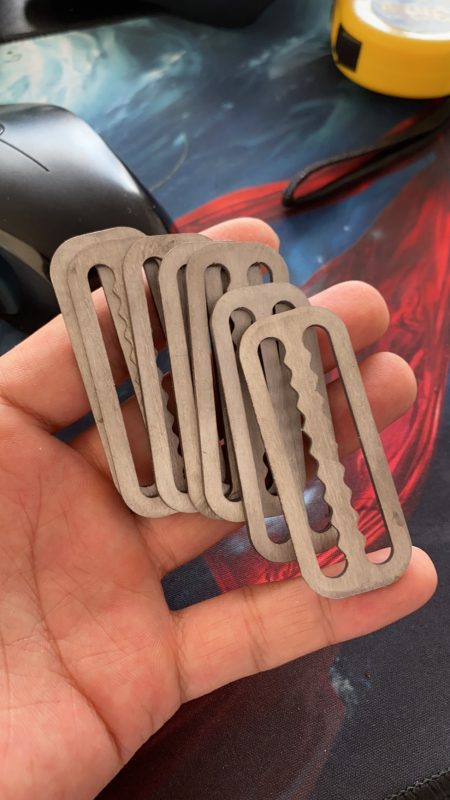
A well-known manufacturer focusing on laboratory and industrial instruments was struggling with surface finishing issues of its core metal parts. The company’s main products include precision pressure meters and laboratory analytical instrument components, which have complex structures—such as tiny through-holes in valve cores (diameter ≤ 0.5mm) and thread gaps in connecting terminals—that are difficult to polish. Previously, the manufacturer used manual polishing with fine sandpaper and small mechanical polishers, which had obvious drawbacks: manual operation was prone to uneven force, causing micro-deformation of thin-walled parts; rigid polishing tools could not reach the tiny gaps, leaving residual burrs; the surface roughness was unstable, usually between Ra 0.15-0.2μm, failing to meet the required Ra ≤ 0.1μm. This led to a 9% scrap rate, frequent instrument calibration failures, and increased after-sales maintenance costs.
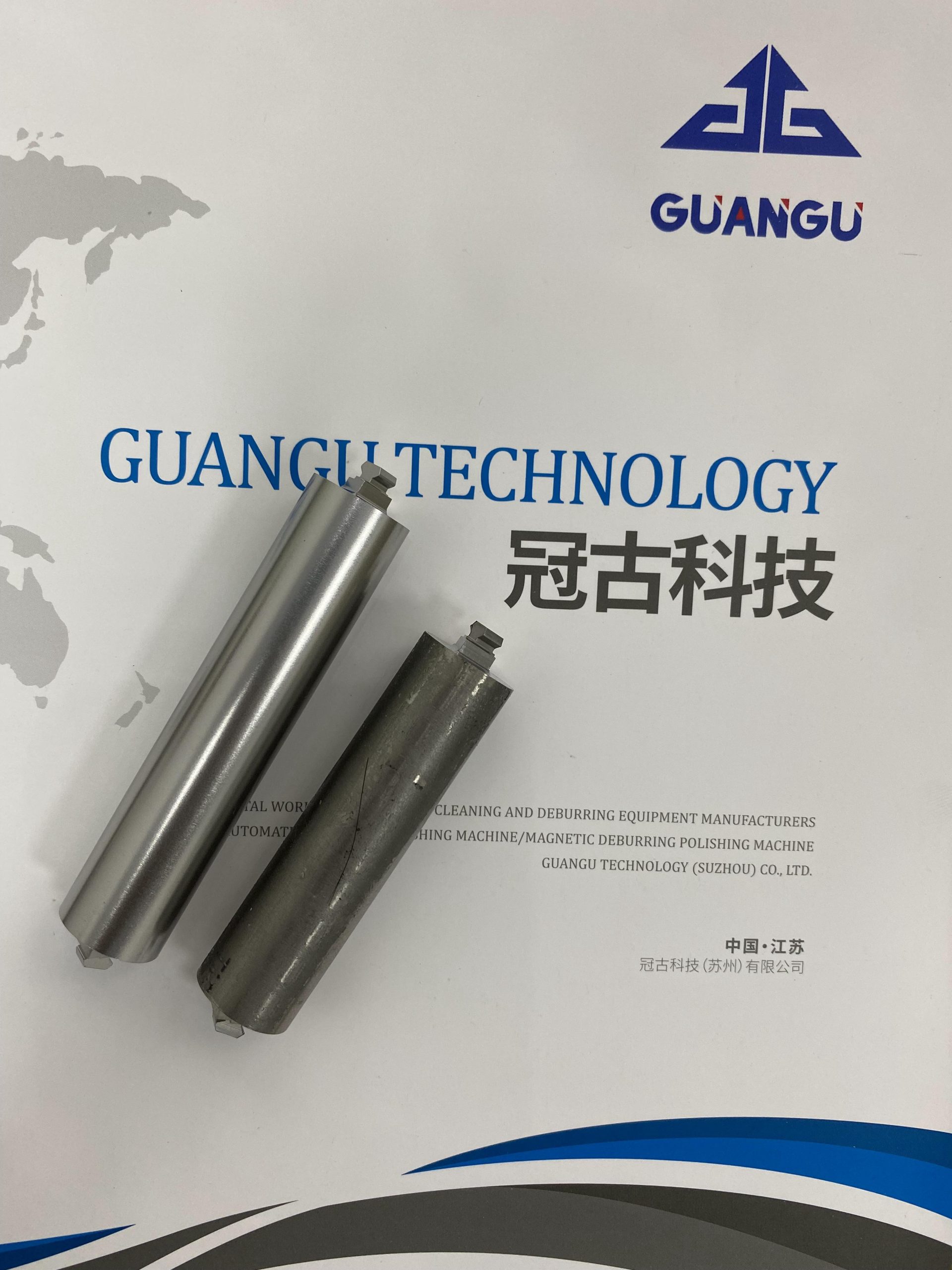
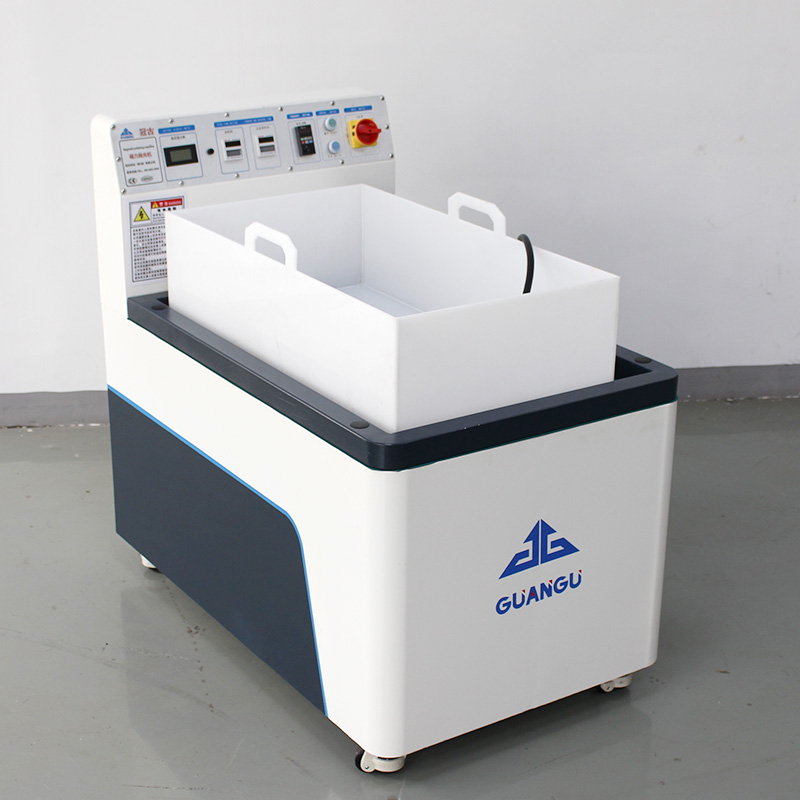
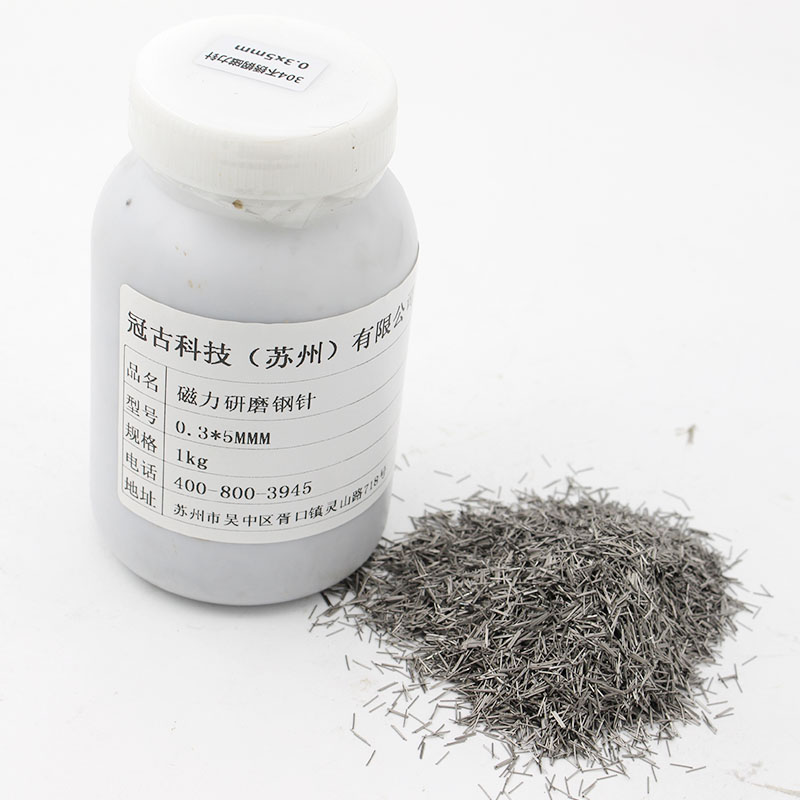
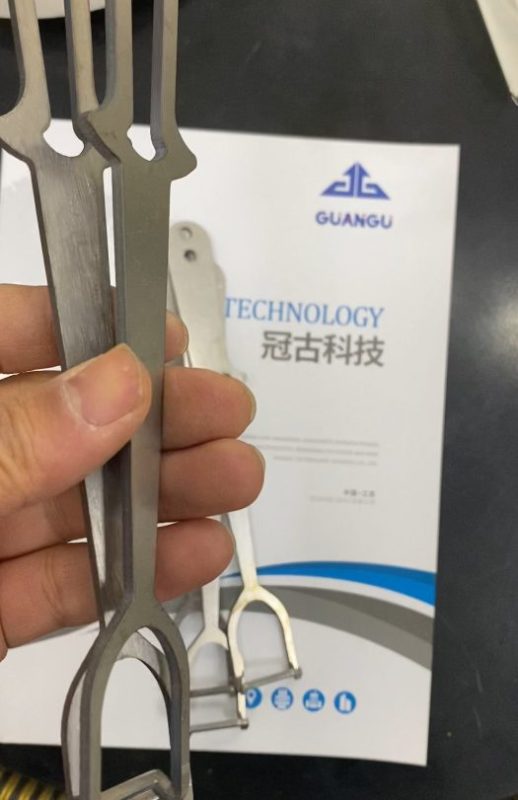
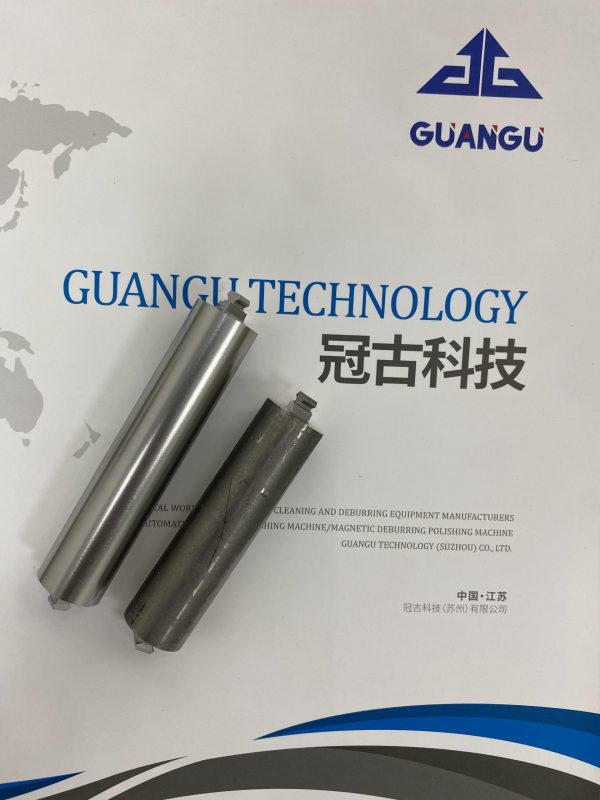
To address these challenges and enhance product competitiveness, the manufacturer partnered with Suzhou Guangu and adopted its customized magnetic metal polishing machine, tailored for the unique needs of instruments and meters metal parts. Unlike traditional rigid polishing, Guangu’s machine uses a high-precision adjustable magnetic field system, which drives ultra-fine magnetic abrasive particles (diameter 0.1-0.3mm) to form a flexible “magnetic brush”. This brush can freely penetrate the tiny through-holes, thread gaps, and edge corners of instrument parts, realizing gentle and comprehensive polishing without damaging the parts’ dimensional accuracy or structural integrity.
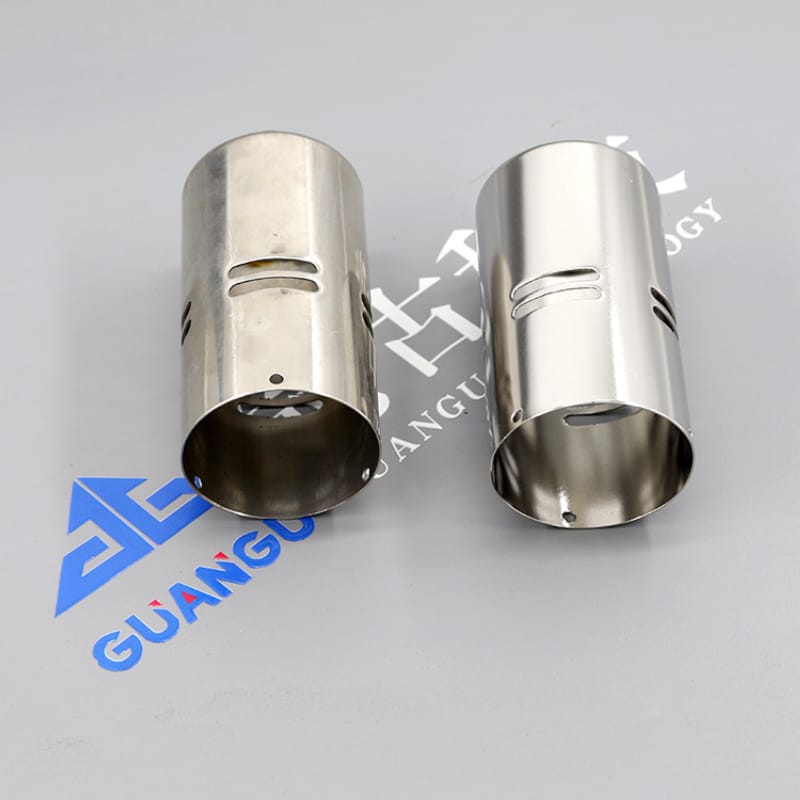
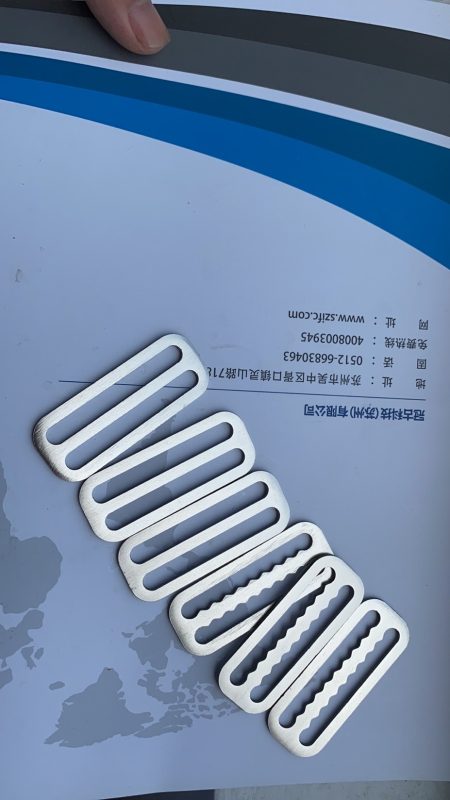
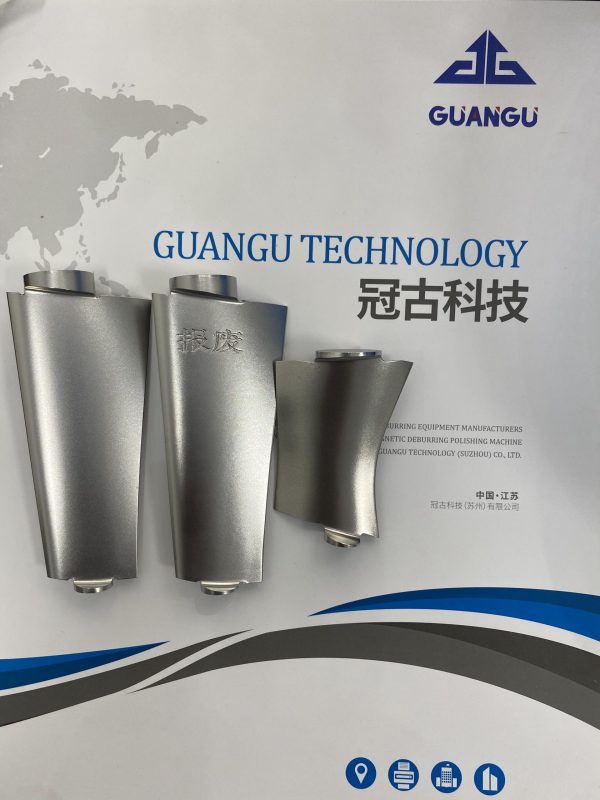
The results after implementation exceeded expectations. Suzhou Guangu’s polishing machine completely removed residual burrs and micro-scratches on the metal parts, stably reducing the surface roughness to Ra 0.04-0.1μm, which fully met the precision requirements of laboratory and industrial instruments. For the tiny through-holes of valve cores, the polishing effect was uniform, avoiding air leakage and ensuring stable pressure transmission; the smooth surface of sensor probes reduced signal interference, improving measurement accuracy by 12%. The scrap rate dropped sharply from 9% to less than 0.1%, and production efficiency was tripled—processing 250 precision valve cores per batch only took 28 minutes, significantly shortening the production cycle. In addition, the closed polishing process with non-toxic water-based grinding fluid ensured a clean production environment, complying with the strict dust-free requirements of laboratory instrument manufacturing.
“Suzhou Guangu’s polishing machine has solved our long-standing precision polishing problems,” said the manufacturer’s quality control manager. “It not only ensures the surface quality of our instrument parts but also reduces production costs and improves customer satisfaction.” This case shows that Suzhou Guangu’s metal polishing machines provide targeted, high-precision surface finishing solutions for the Instruments and Meters industry, helping manufacturers improve product reliability, reduce maintenance costs, and gain an advantage in the competitive precision instrument market.
No account yet?
Create an Account

 Product Category – Mirror polishing machine
 Product Category – Magnetic Pin