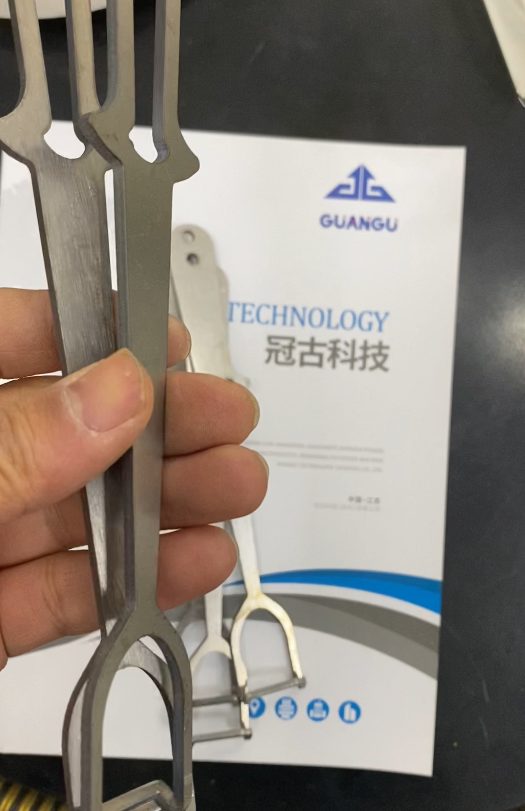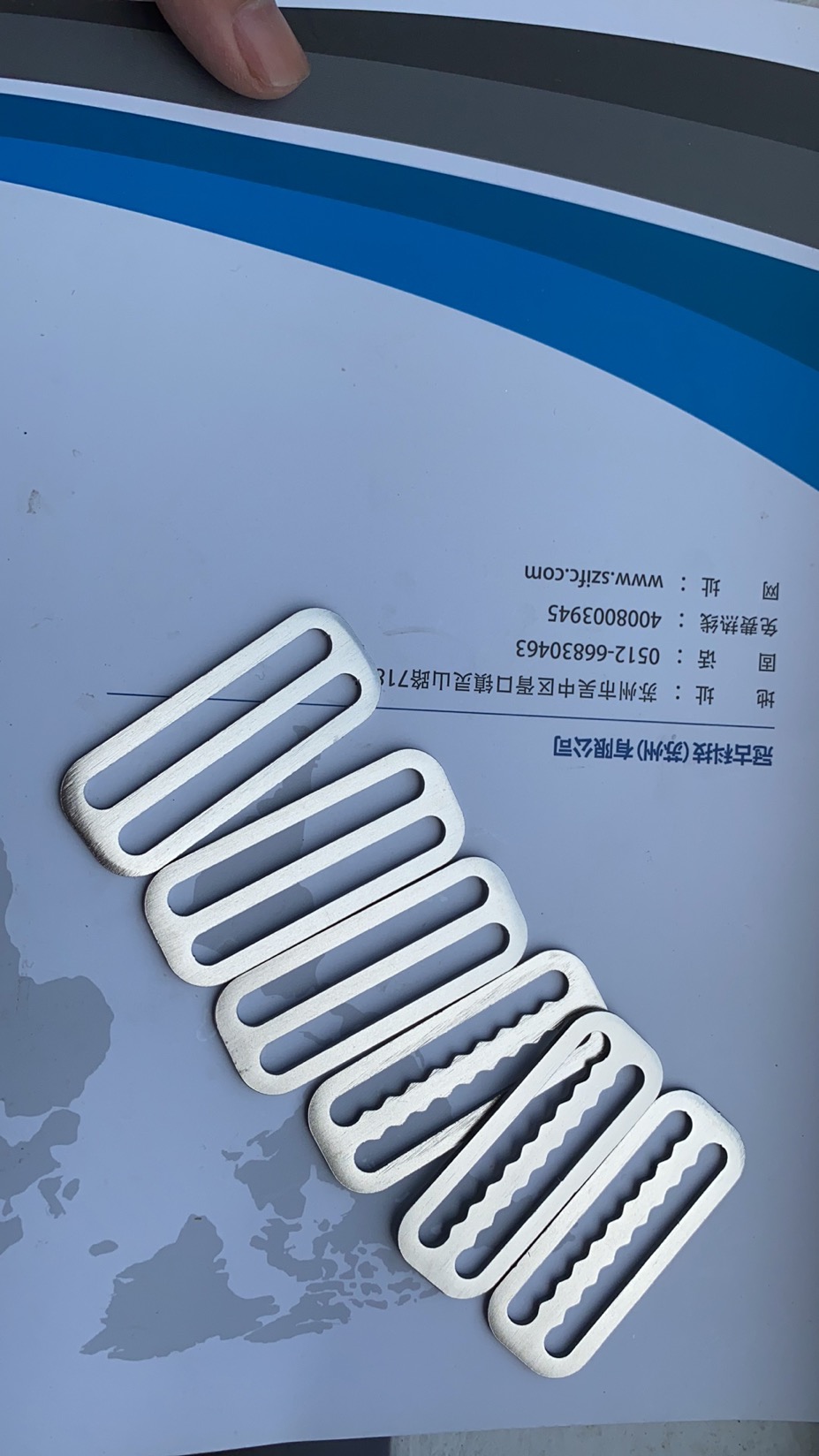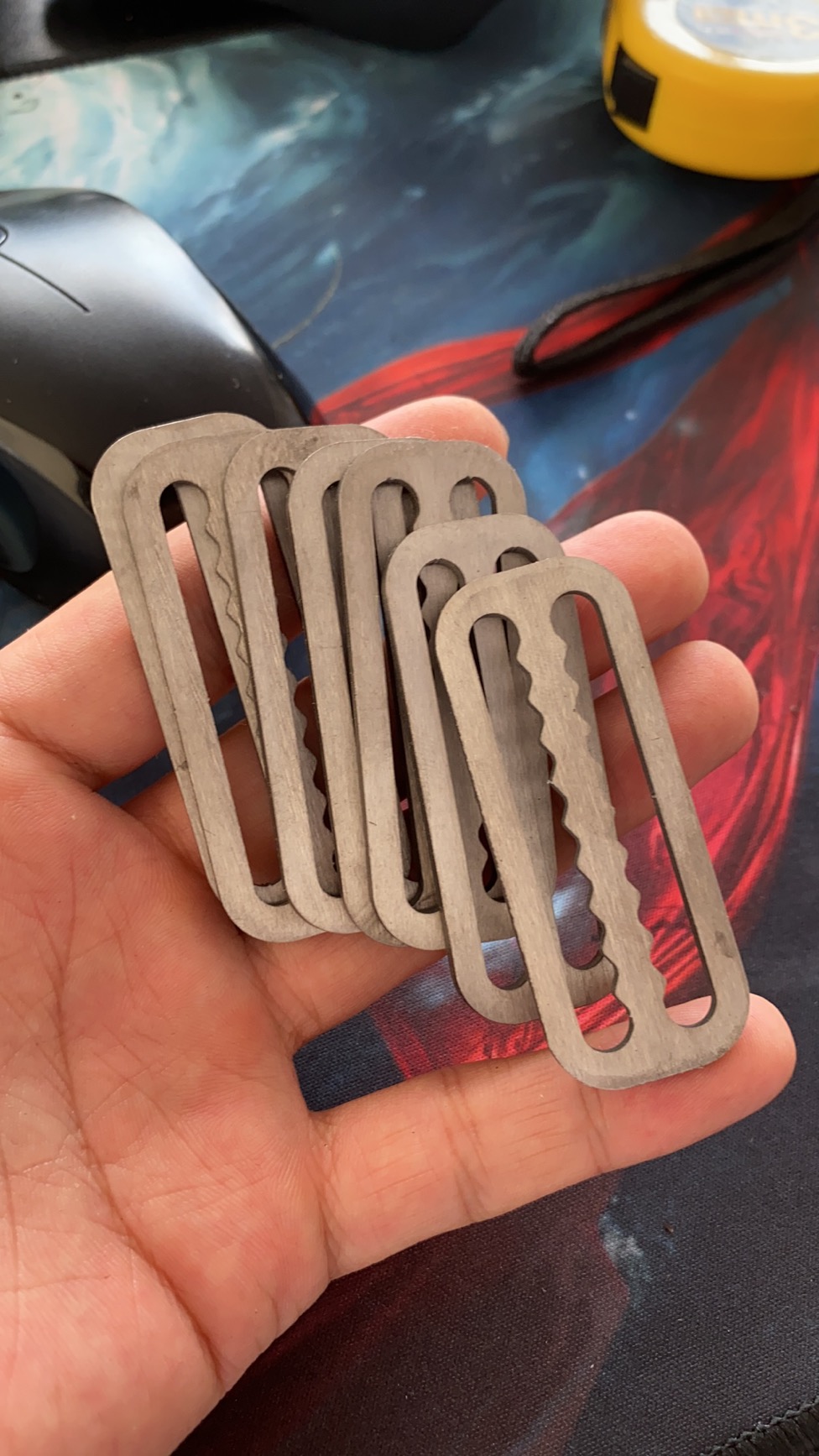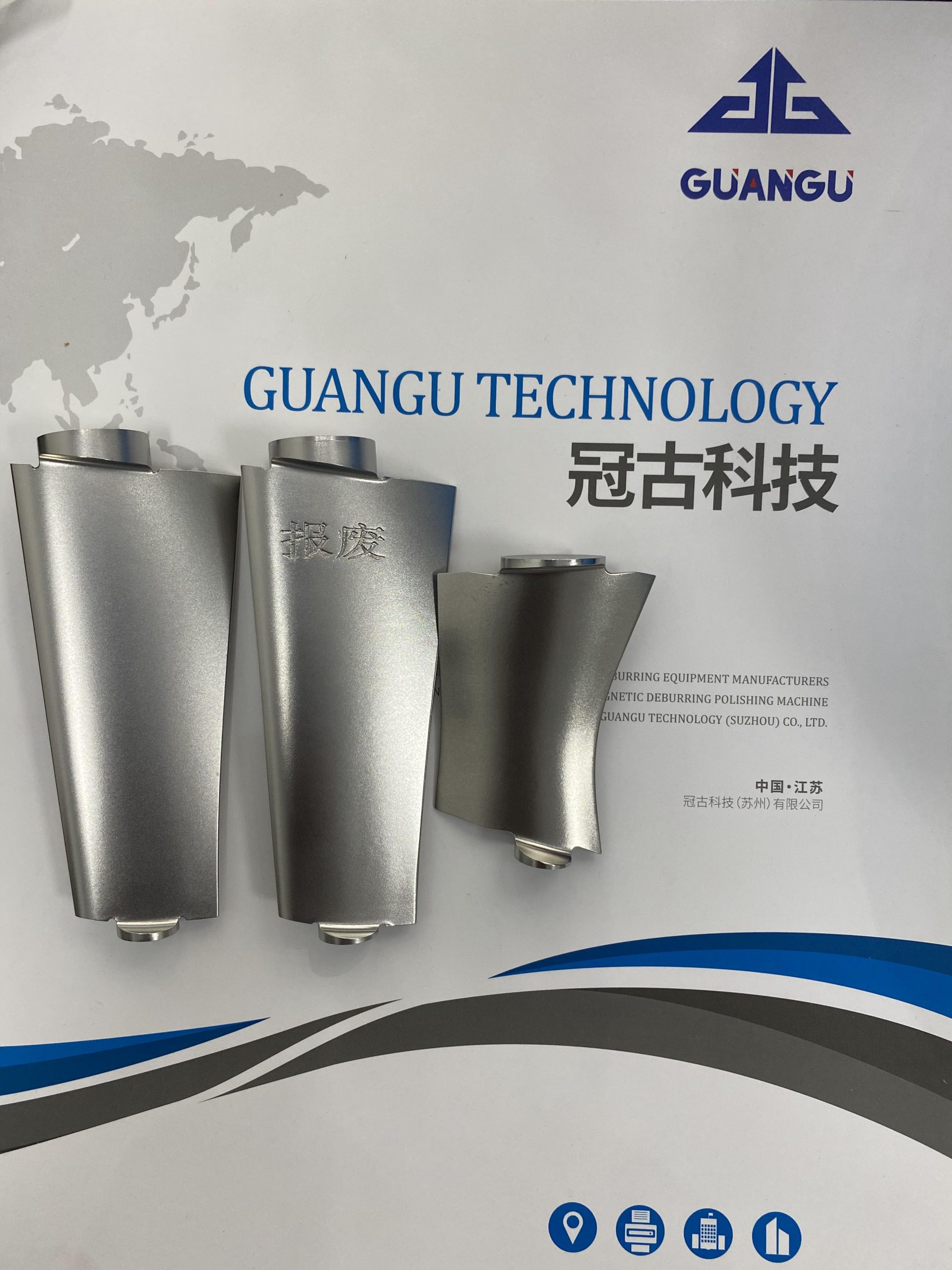
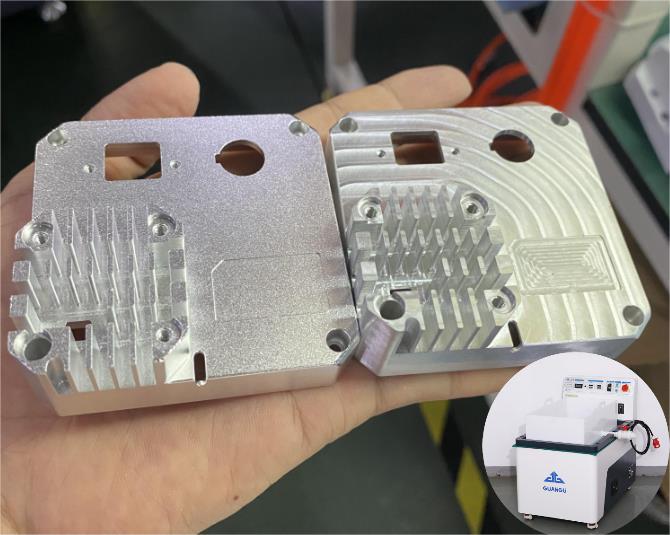
Aluminum radiators are widely used in automotive, electronic equipment, and industrial machinery fields, favored for their lightweight, excellent thermal conductivity, and cost-effectiveness. As a key component for heat dissipation, the surface quality of aluminum radiators directly determines their heat transfer efficiency, corrosion resistance, and service life. However, aluminum radiators often have surface defects after die casting or extrusion, such as burrs on fin edges, oxidation layers, mold release agent residues, and uneven surfaces, which not only affect heat dissipation performance but also reduce product aesthetics and durability.
A professional aluminum radiator manufacturer, specializing in automotive engine radiators and electronic device cooling radiators, was plagued by these surface finishing issues. Before cooperating with Suzhou Guangu, the manufacturer relied on traditional manual polishing and rigid mechanical polishing. This method was inefficient and risky—aluminum is a soft material that is easily scratched or deformed during rigid polishing, especially the thin fins of radiators, which were often bent or damaged. The surface roughness failed to meet the required Ra value of ≤0.4μm, leading to increased thermal resistance and reduced heat dissipation efficiency. The scrap rate reached 12%, and manual polishing was labor-intensive, with a single batch of 200 aluminum radiators taking 5 hours, seriously affecting production efficiency.

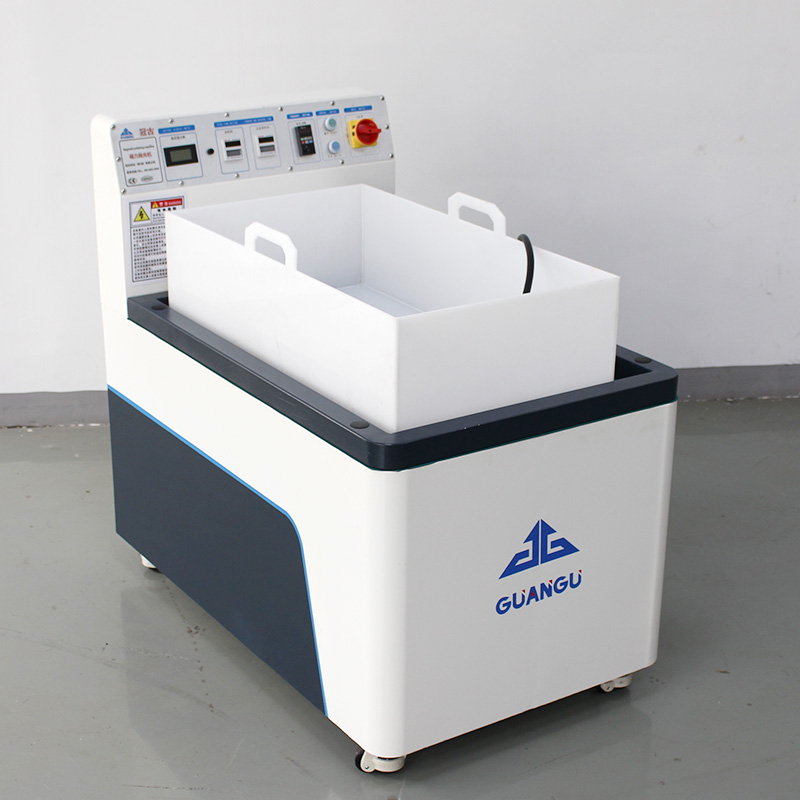
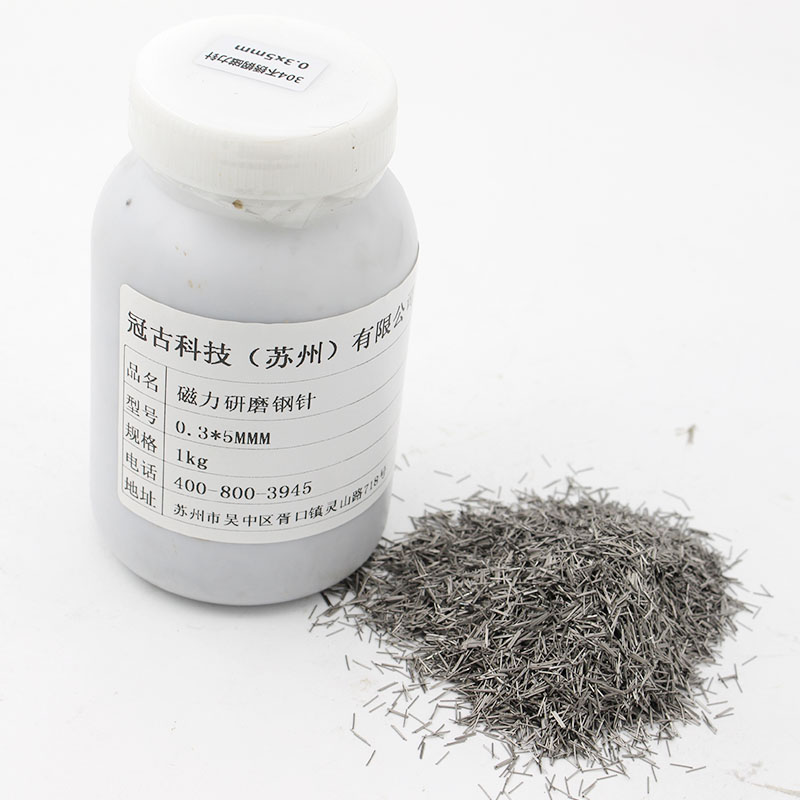
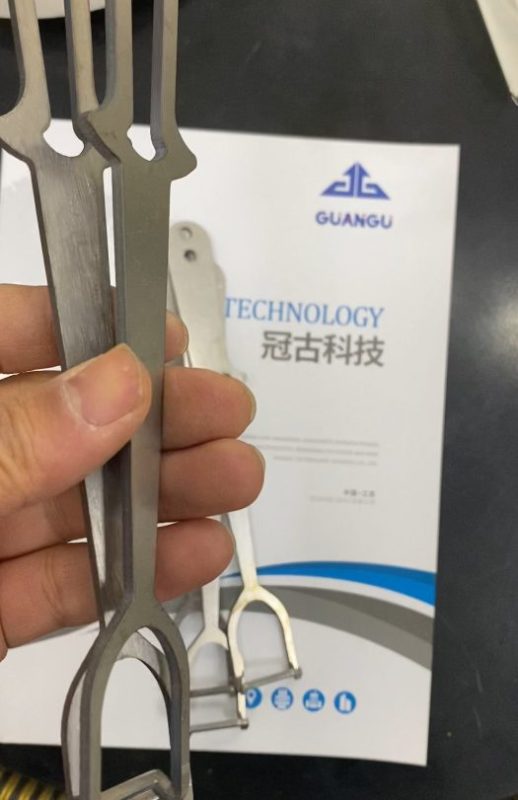
To solve these pain points and improve the quality and efficiency of aluminum radiator finishing, the manufacturer chose Suzhou Guangu’s customized magnetic metal polishing machine, specifically developed for aluminum radiators. Guangu’s machine adopts advanced 3D dynamic magnetic field technology, driving magnetic abrasive particles to form a flexible “magnetic brush” that can easily penetrate the narrow gaps between radiator fins, the tiny holes of water chambers, and the edge corners of the radiator body, achieving 360-degree non-dead-angle polishing without damaging the thin fins or affecting the radiator’s structural precision.
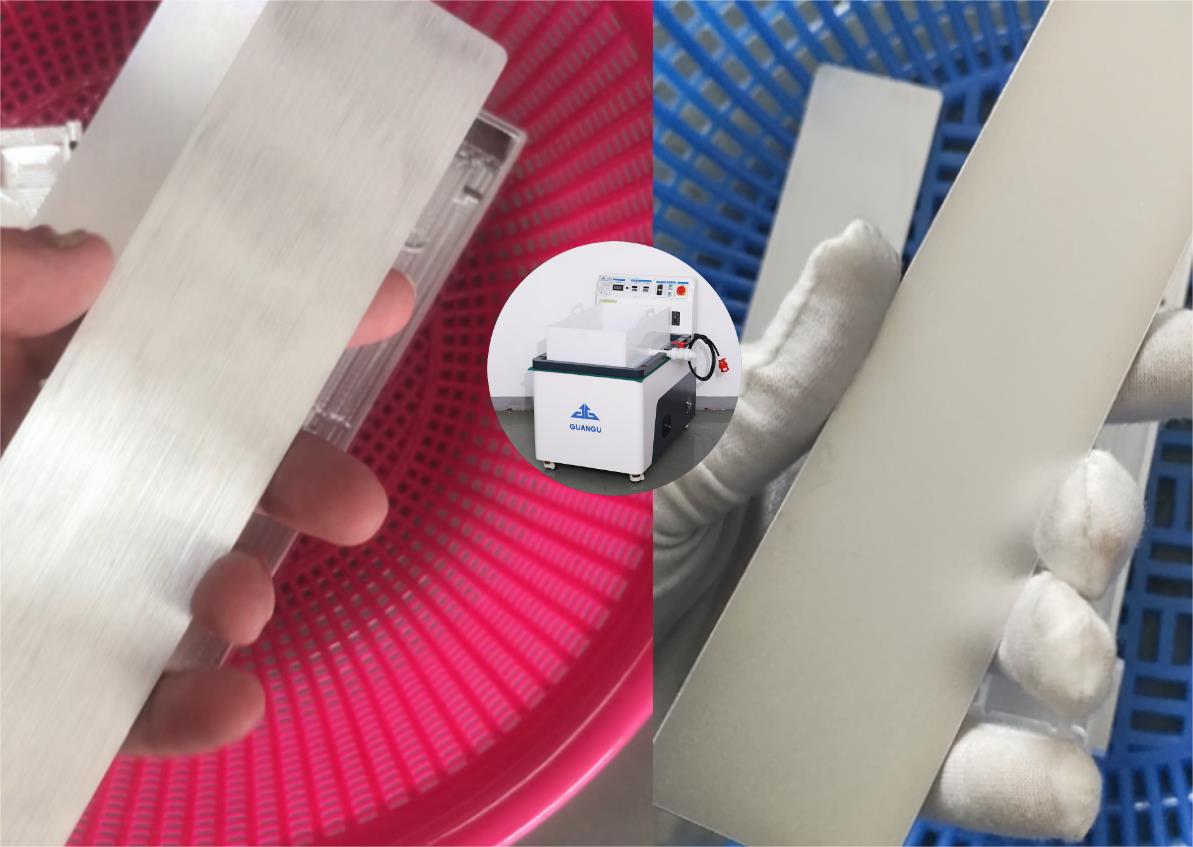
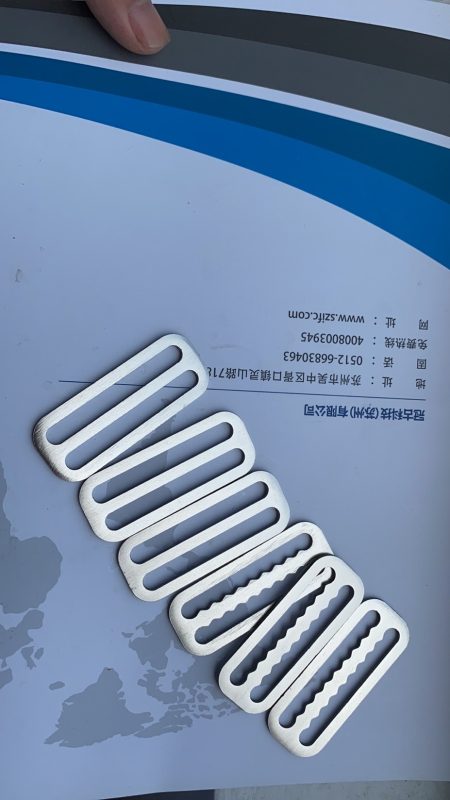
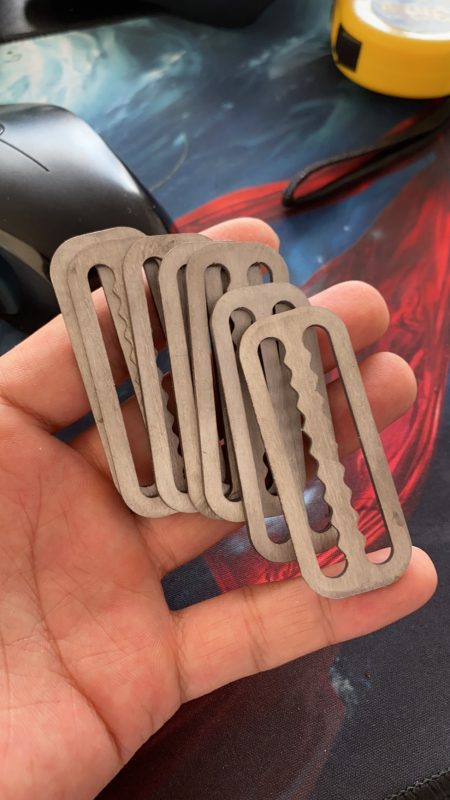
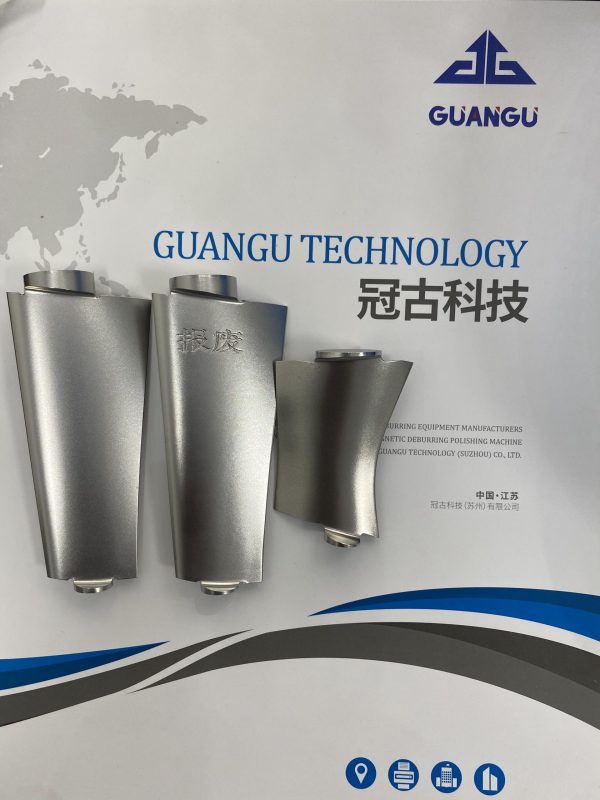
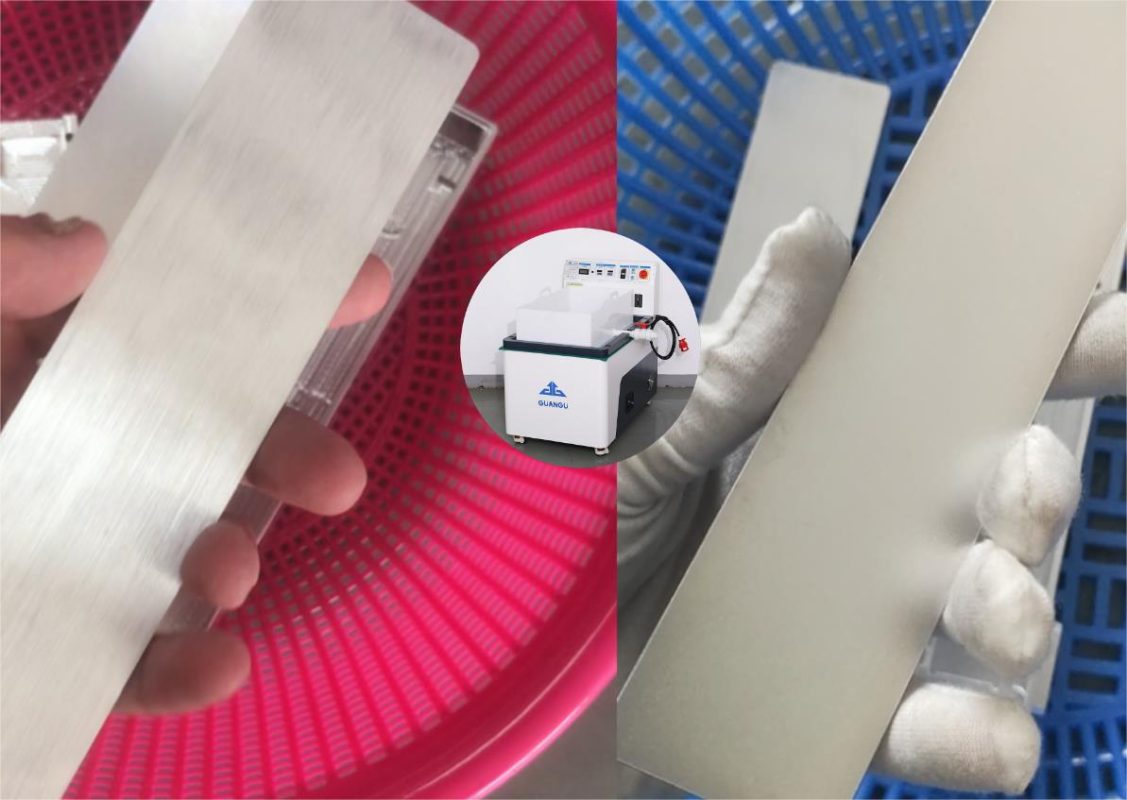
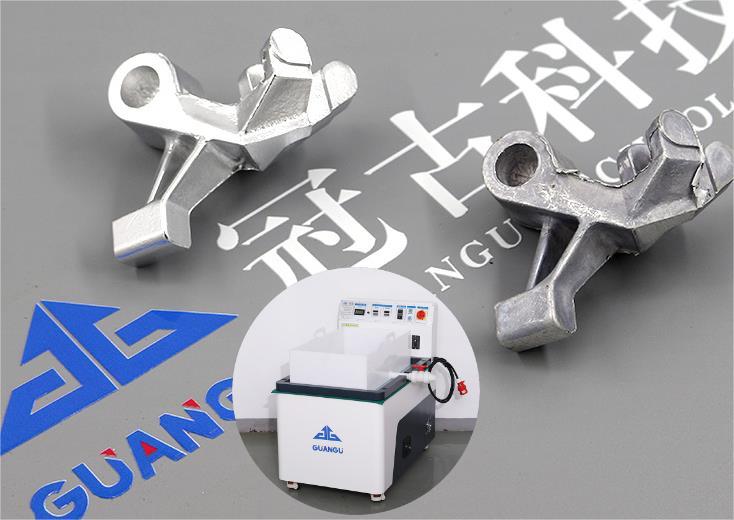
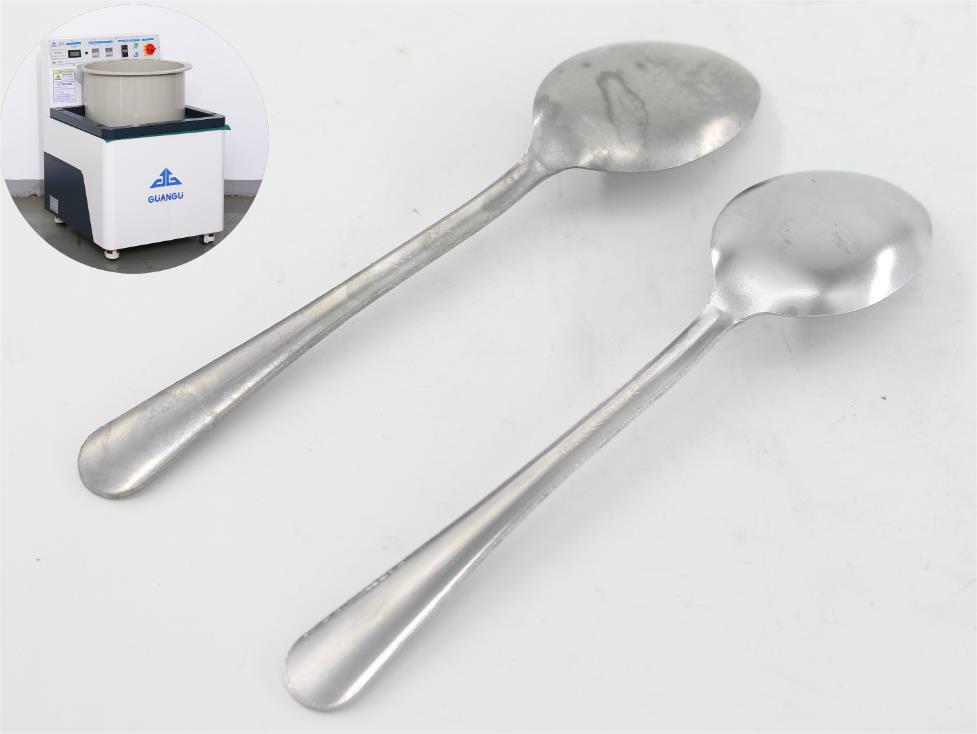
The effect after implementing Suzhou Guangu’s polishing machine was remarkable. The machine effectively removed burrs, oxidation layers, and surface residues on aluminum radiators, reducing the surface roughness to Ra 0.08-0.4μm, which significantly reduced thermal resistance and improved heat dissipation efficiency by about 8%. The thin fins remained intact without bending or deformation, ensuring the radiator’s heat dissipation structure was not damaged. The scrap rate dropped from 12% to less than 0.2%, and production efficiency increased by 4 times—single-batch processing of 200 aluminum radiators takes only 35 minutes. The closed polishing process with water-based grinding fluid avoids aluminum dust pollution and fire risks, complying with green manufacturing standards, and lays a solid foundation for subsequent anodizing or powder coating treatments.
“Suzhou Guangu’s metal polishing machine has completely solved our aluminum radiator finishing problems,” said the manufacturer’s production director. “It not only ensures the surface smoothness and flatness of radiators, improves heat dissipation performance, but also greatly reduces labor costs and scrap rates.” This case fully demonstrates that Suzhou Guangu’s metal polishing machines provide efficient, stable, and high-quality surface finishing solutions for aluminum radiators, effectively enhancing product performance, extending service life, and helping manufacturers gain a competitive edge in the automotive and electronic cooling industries.
No account yet?
Create an Account
 Product Category – Mirror polishing machine
 Product Category – Magnetic Pin