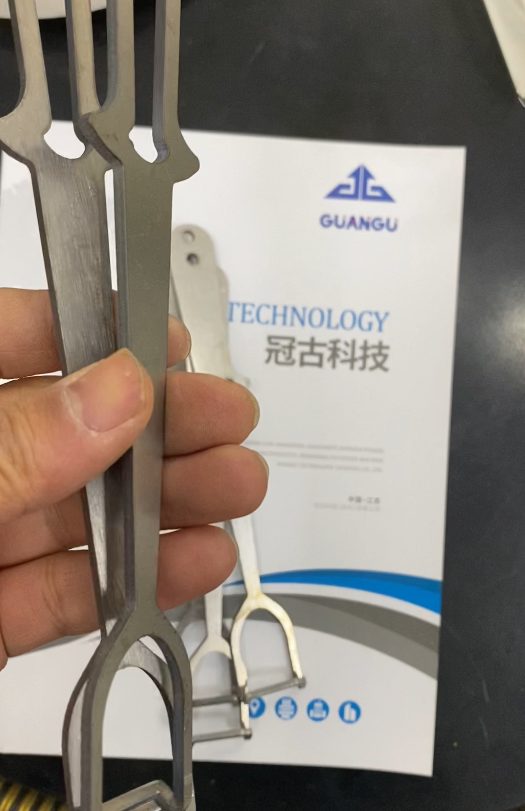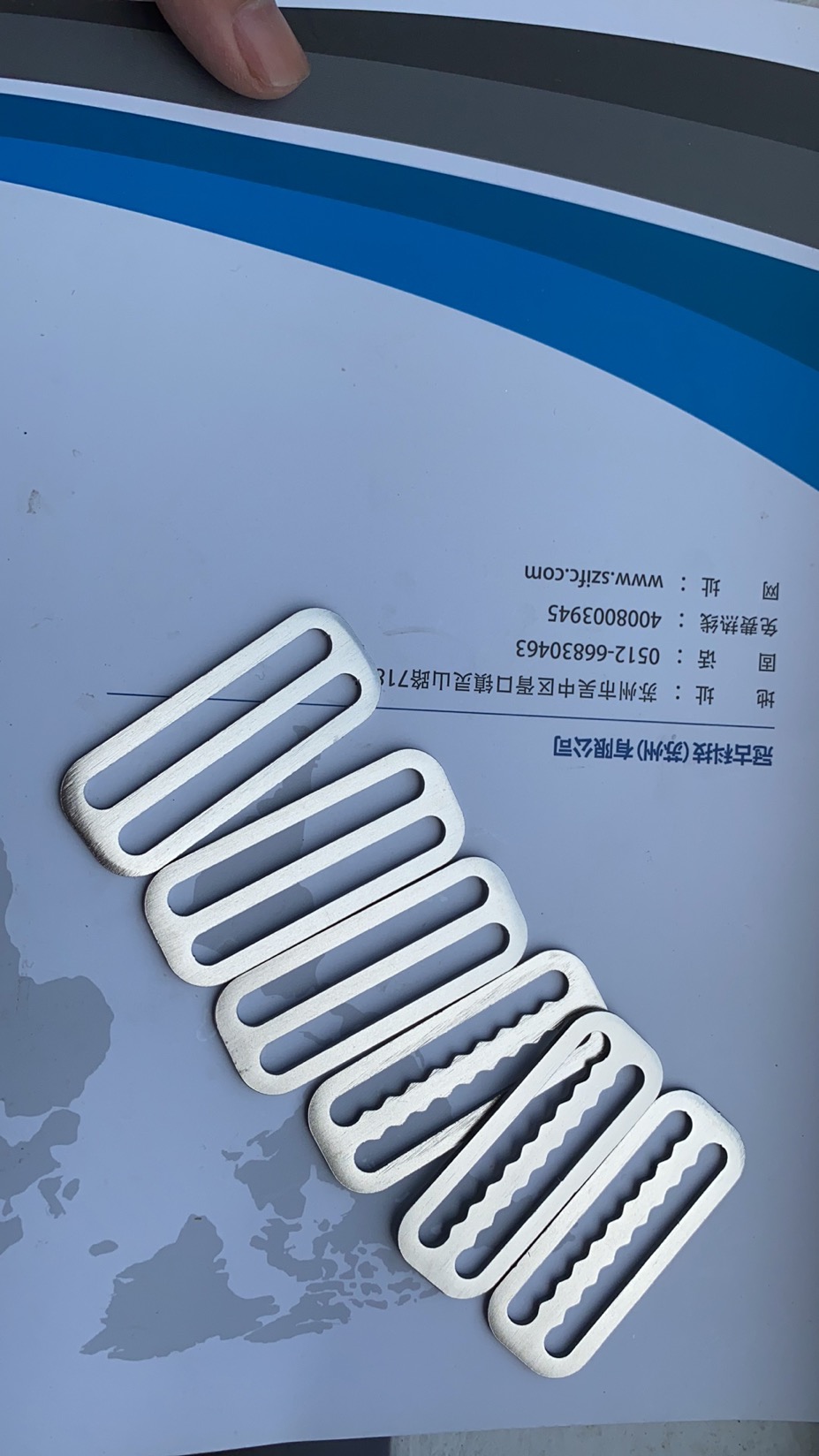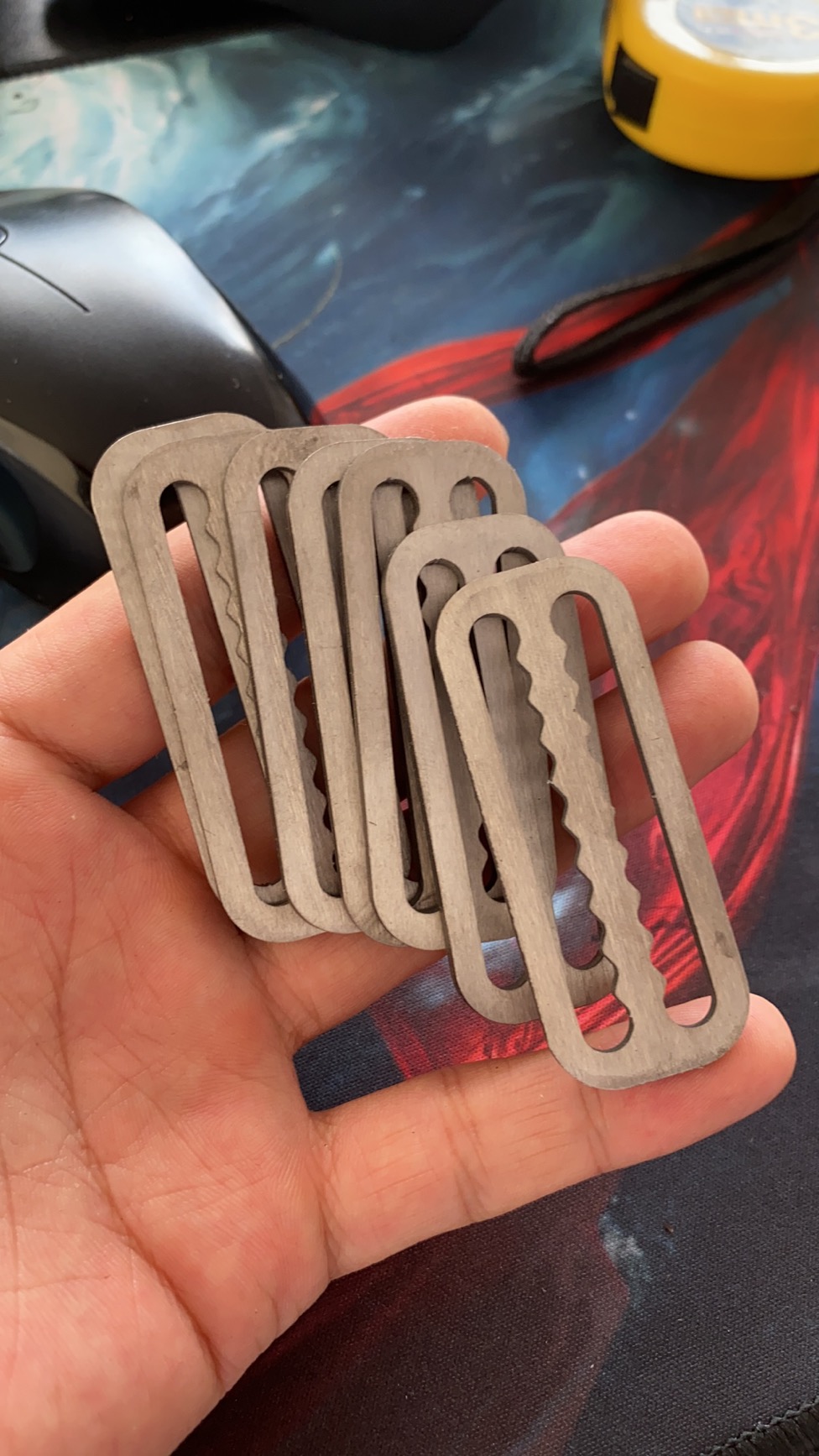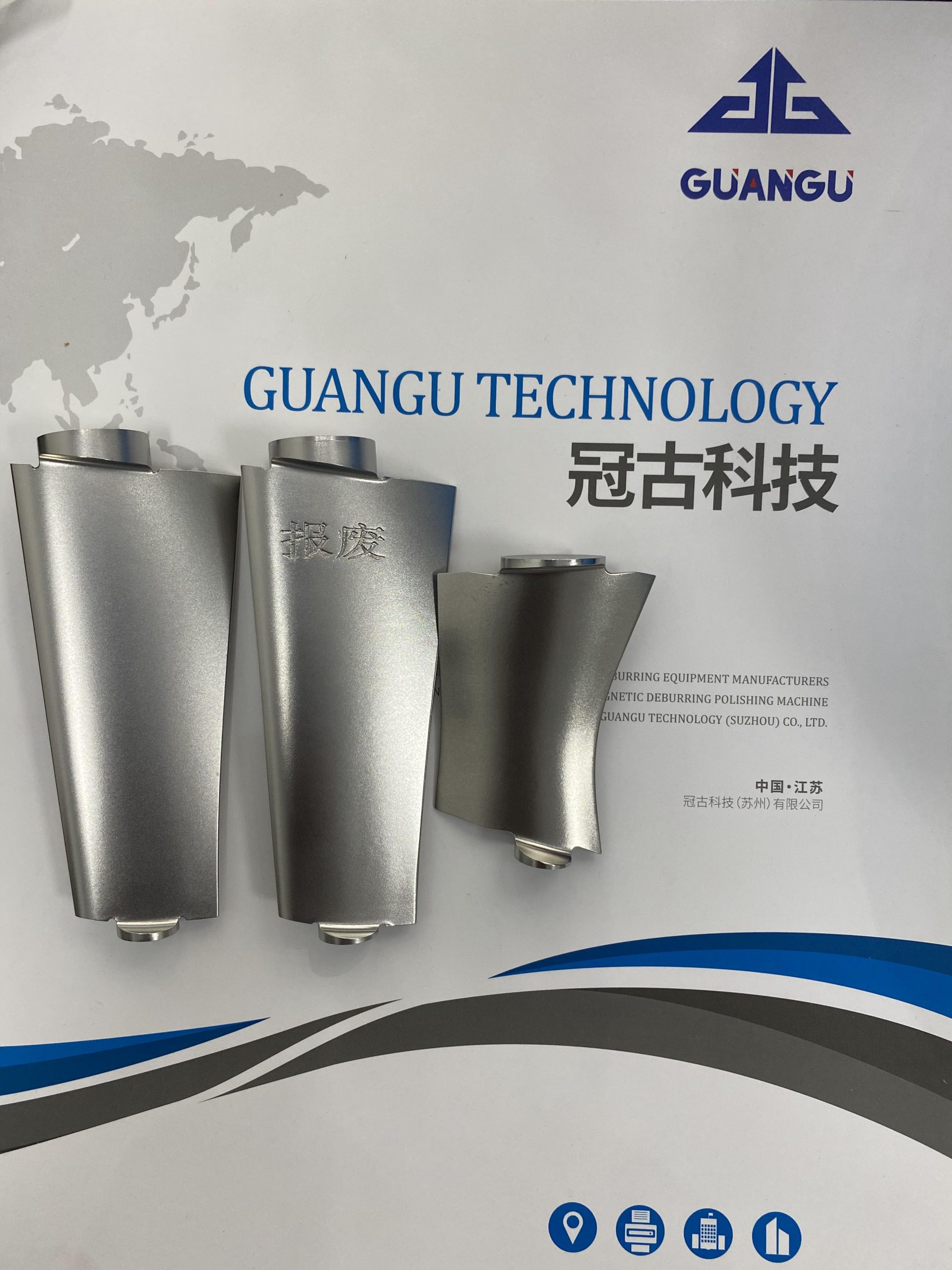
If you’re asking “What parts can be made by powder metallurgy?”, you’re likely exploring a cost-effective, high-precision manufacturing process that excels at producing complex, uniform metal components—without the waste and inefficiency of traditional machining. Powder metallurgy (PM) is a versatile technique that involves compacting metal powder into a desired shape and sintering it at high temperatures, resulting in parts with excellent mechanical properties, dimensional accuracy, and material consistency. It is widely used across industries to create a diverse range of parts, from small precision components to large industrial parts.
The parts made by powder metallurgy span countless applications and industries, tailored to meet specific performance requirements. In the automotive industry, PM is a go-to method for manufacturing engine components such as gears, bearings, camshafts, and piston rings—parts that require high wear resistance, strength, and tight tolerances. These components benefit from PM’s ability to produce complex shapes with minimal material waste, reducing production costs for mass manufacturing.
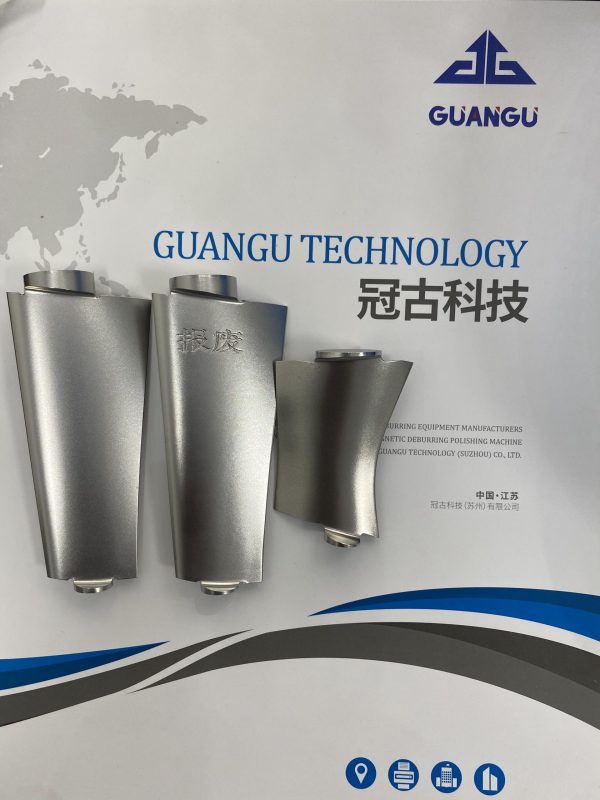
In the aerospace and defense sectors, powder metallurgy is used to create high-strength, lightweight parts like turbine blades, aircraft fasteners, and missile components. The process allows for the use of advanced alloys (including high temperature alloys and titanium alloys) that are difficult to machine using traditional methods, ensuring parts can withstand extreme conditions. Additionally, PM is widely used in the electrical and electronics industry to produce magnetic cores, connectors, and terminal blocks—parts that require precise dimensional control and excellent electrical conductivity.
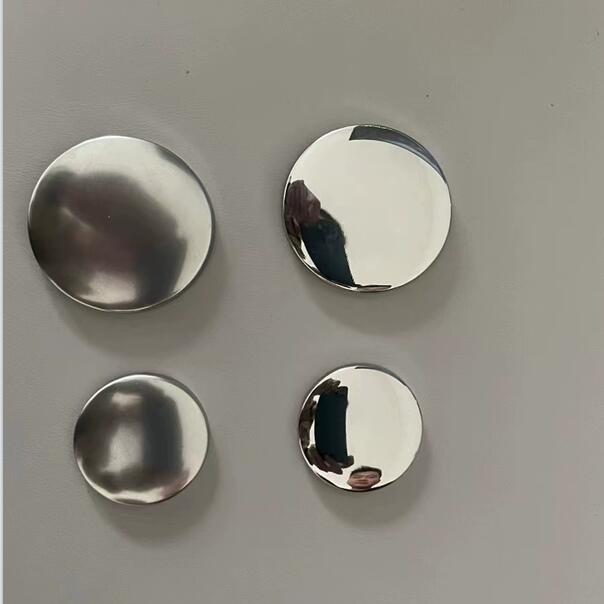
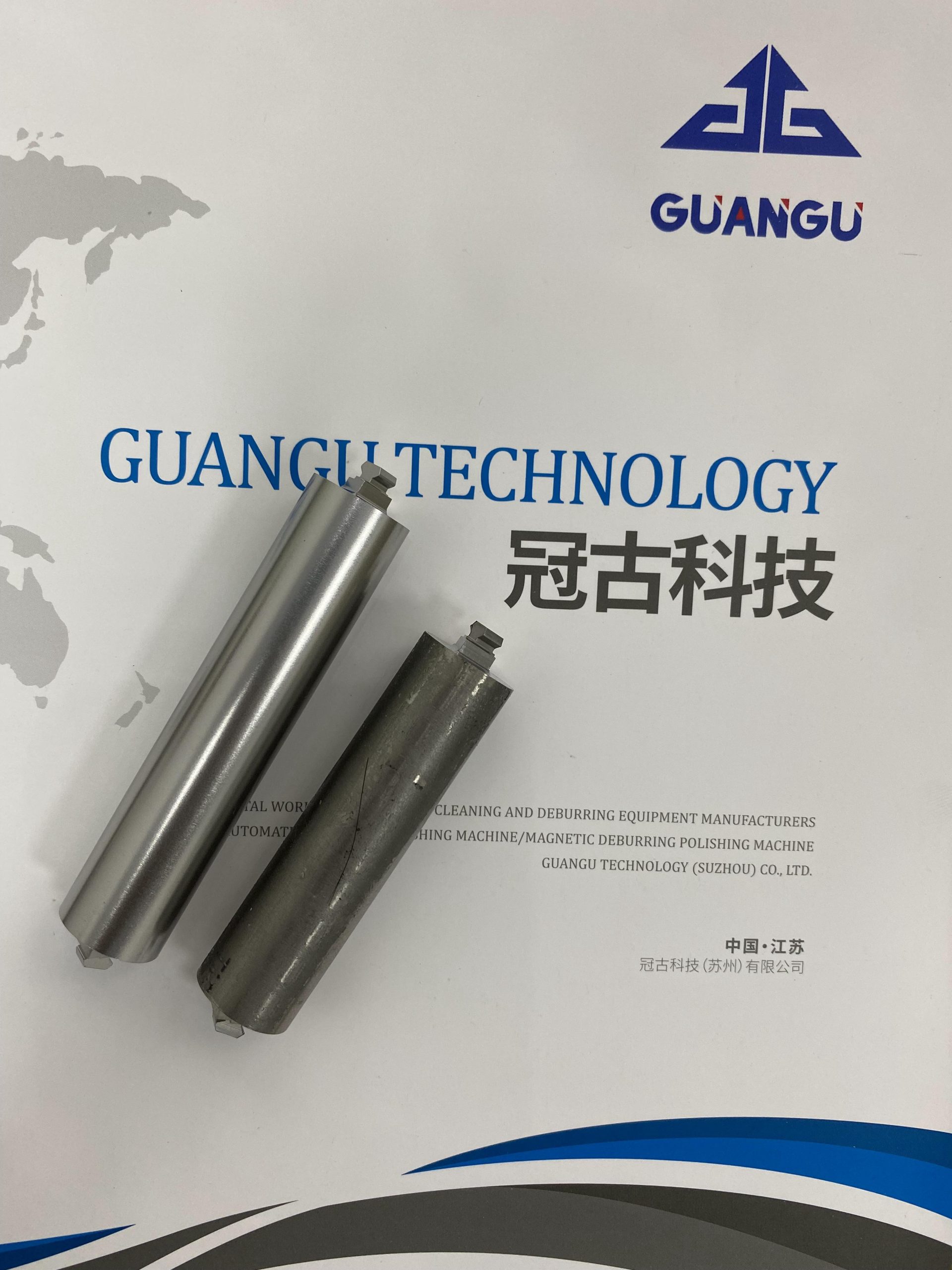
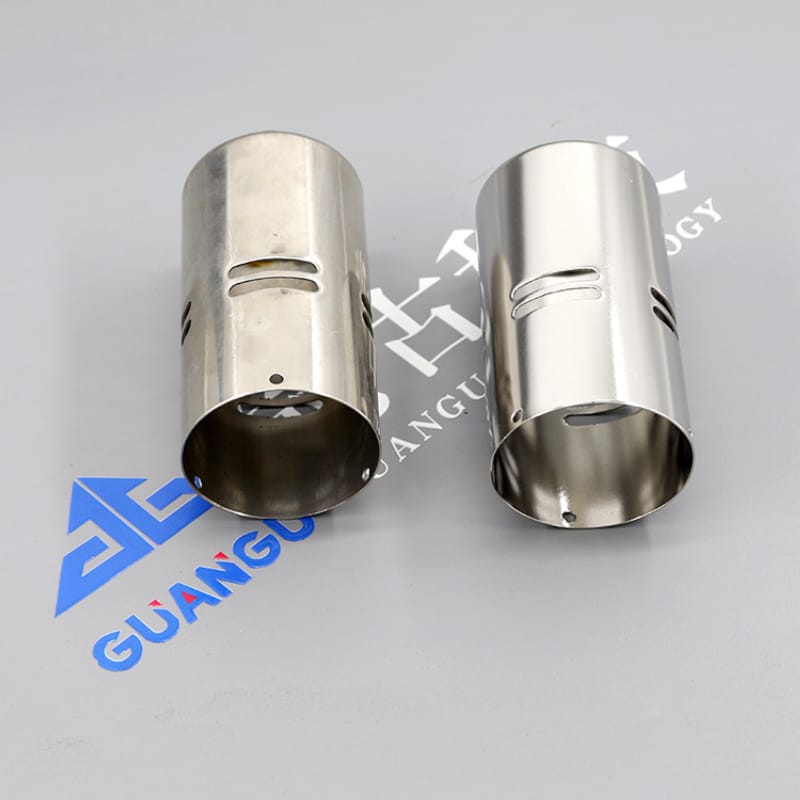
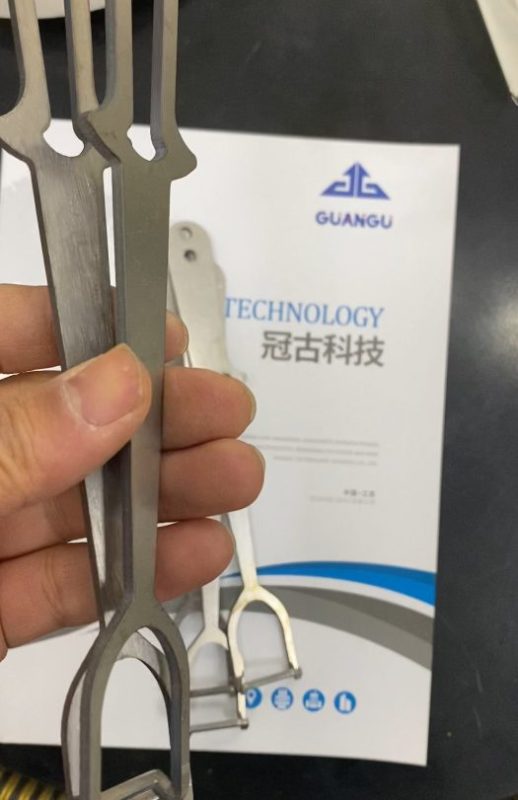
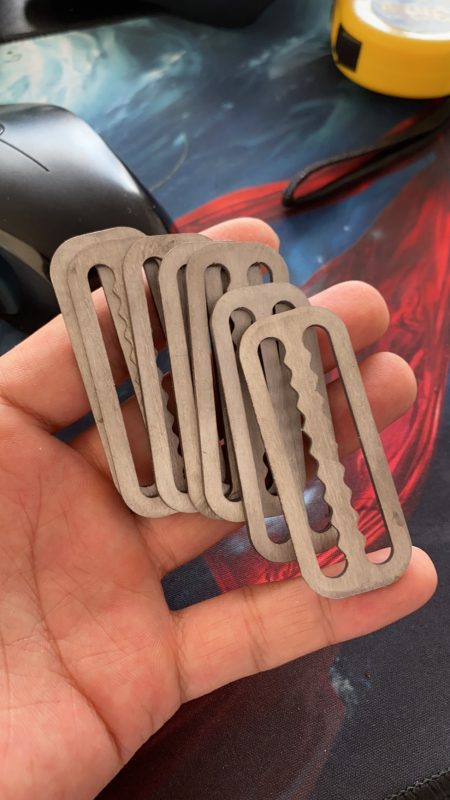
Beyond these industries, powder metallurgy is also used to make medical components (such as orthopedic implants and surgical instruments), industrial hardware (including nuts, bolts, and bushings), and even consumer goods like watch gears and tool bits. However, while powder metallurgy delivers exceptional precision and efficiency, the sintering process can leave minor burrs, surface irregularities, or oxidation layers on the finished parts—defects that can compromise performance, especially in high-precision or critical applications.
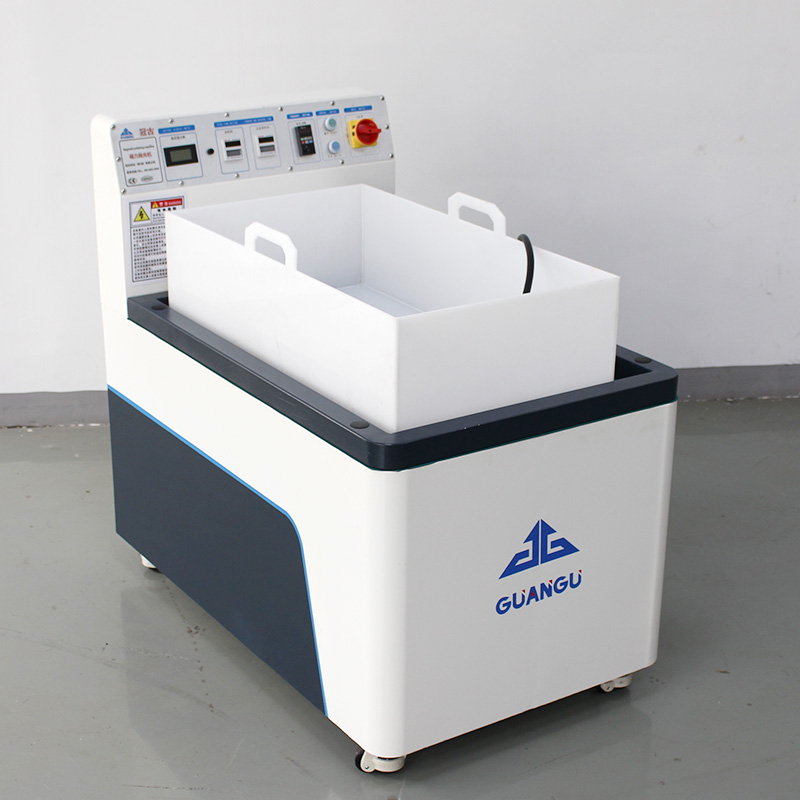
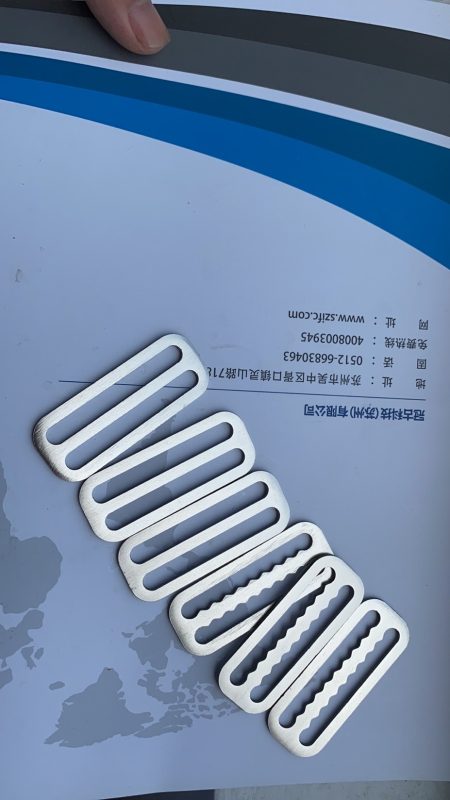
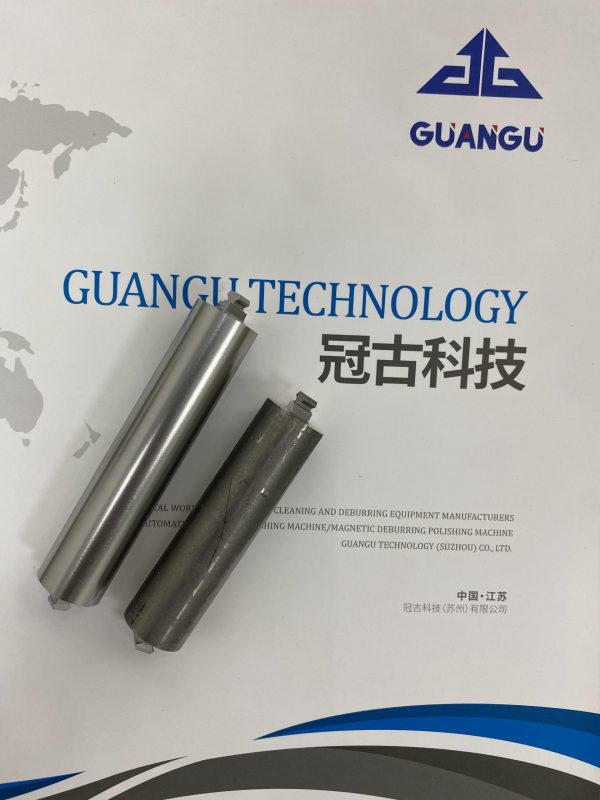
This is where Suzhou Guangu Technology (Suzhou) Co., Ltd. provides the perfect solution. As a professional manufacturer specializing in magnetic polishing machines, we engineer equipment specifically designed to refine powder metallurgy parts. Our magnetic polishers are tailored to handle the unique properties of PM components—including their uniform density and varied material compositions—efficiently removing burrs, surface imperfections, and oxidation layers without damaging the parts’ dimensional accuracy or structural integrity.
Unlike traditional polishing methods that are labor-intensive, time-consuming, and prone to inconsistent results, our magnetic polishing machines feature 360° dead-angle polishing, intelligent control systems, and eco-friendly grinding modes. They support batch processing of powder metallurgy parts, ensuring stable, repeatable surface finishes that meet the strict standards of automotive, aerospace, medical, and electrical industries. Our technology not only enhances the surface smoothness of PM parts but also strengthens their wear resistance and corrosion resistance, further optimizing their performance and service life.
Whether you’re manufacturing automotive gears, aerospace fasteners, medical implants, or electrical connectors via powder metallurgy, Suzhou Guangu’s magnetic polishing machines are your trusted partner to elevate product quality. Backed by years of expertise in metal surface treatment, we offer customizable equipment, comprehensive after-sales support, and competitive pricing to meet your production needs. Now that you know what parts can be made by powder metallurgy, choose Guangu to ensure your PM components deliver exceptional precision and durability. Contact us today to discuss your polishing requirements and get a tailored quote.
No account yet?
Create an Account
 Product Category – Mirror polishing machine
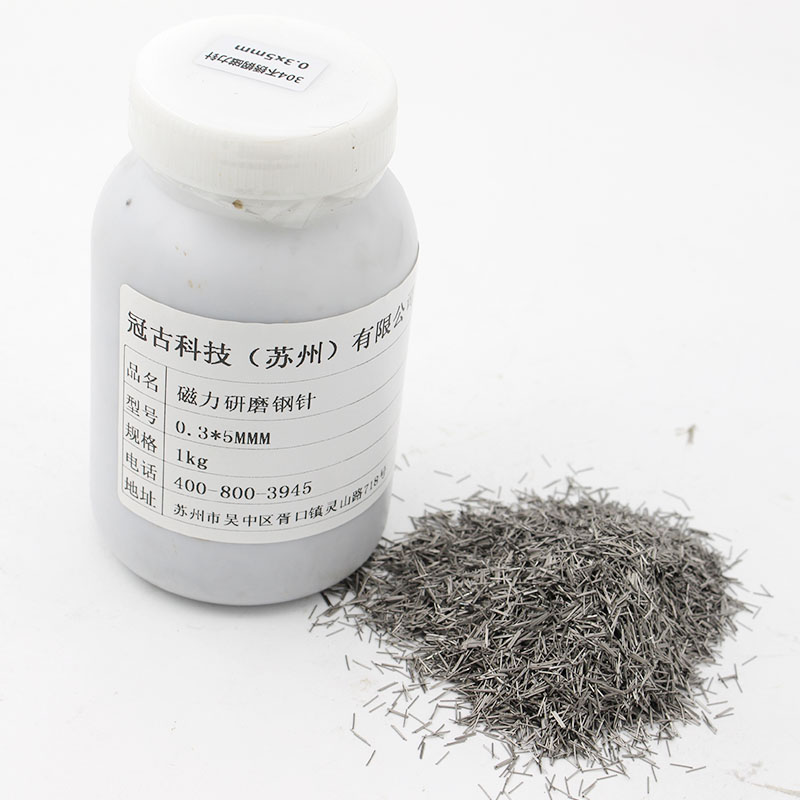
 Product Category – Magnetic Pin