
In the field of metal surface treatment, part deburring and precision finishing have long constrained the quality upgrading of precision components. Magnetic polishing technology, after decades of iteration, has pioneered a new path for flexible, environmentally friendly, and highly efficient precision finishing. It is gradually replacing traditional manual grinding, ordinary barrel tumbling, and chemical polishing processes, becoming the mainstream solution for deburring small parts and surface finishing of irregular workpieces.
Magnetic polishing technology originally originated from overseas laboratory research, initially serving only as a niche precision processing method. First-generation magnetic polishing machines featured simple structures and limited magnetic field control capabilities, mostly used for basic deburring of simple small parts. With a single type of abrasive matching, they struggled to process easily deformable materials such as aluminum and titanium alloys. Shortcomings persistently remained in aluminum barrel polishing and the cleaning of burrs in deep holes and crevices.
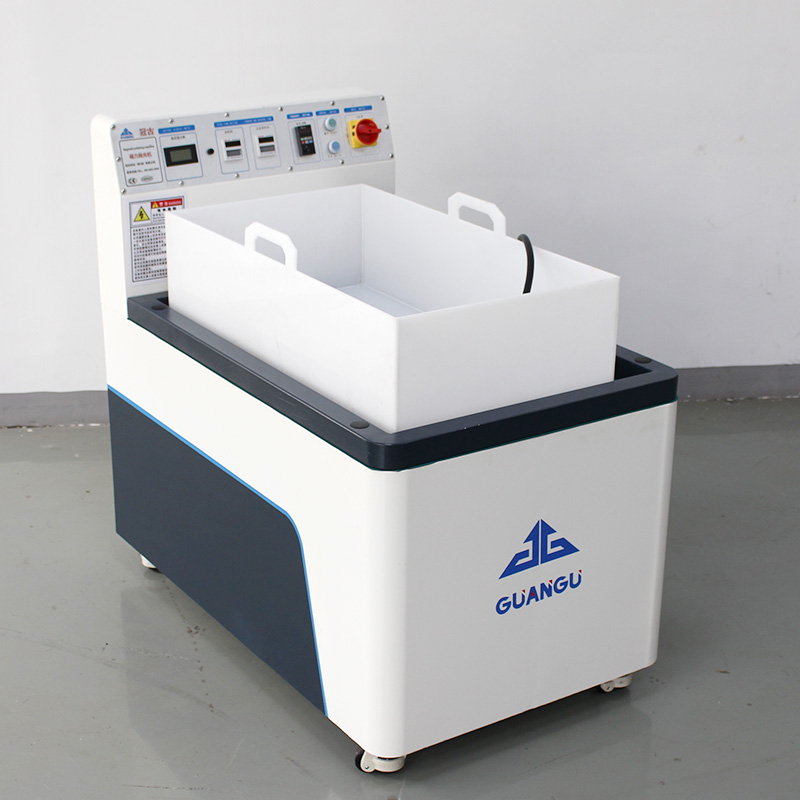
With the global expansion of the precision manufacturing industry, the second generation of magnetic polishing equipment achieved commercialization. Relying on a magnetic field to drive the grinding medium to form a three-dimensional flexible grinding flow, it broke through the challenge of rigid polishing blind spots, and the concept of the “media polishing machine” was officially popularized. The equipment can penetrate cross-holes, threads, and inner cavities to remove micro-burrs without rigid clamping, effectively avoiding the collision and deformation of thin-walled workpieces. Concurrently, the industrial chain gradually improved, and specialized deburring media suppliers emerged. Different specifications of magnetic pins and composite grinding media enriched process choices, finding wide application in 3C hardware, medical devices, and precision fastener processing.
Over the past decade, magnetic polishing technology has entered a stage of intelligent and customized upgrading. Equipment has extended from single-machine processing to automated production lines. Variable-frequency magnetic field control, water circulation filtration, and preset process programs have become standard configurations. This balances rough deburring and mirror finishing, and is compatible with various materials such as stainless steel, copper, and aluminum alloys, effectively resolving the industry pain points of scratching and uneven polishing in aluminum barrel polishing.
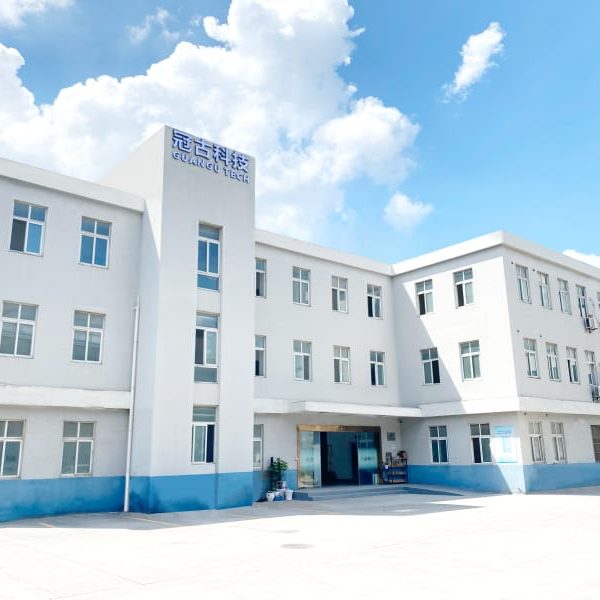
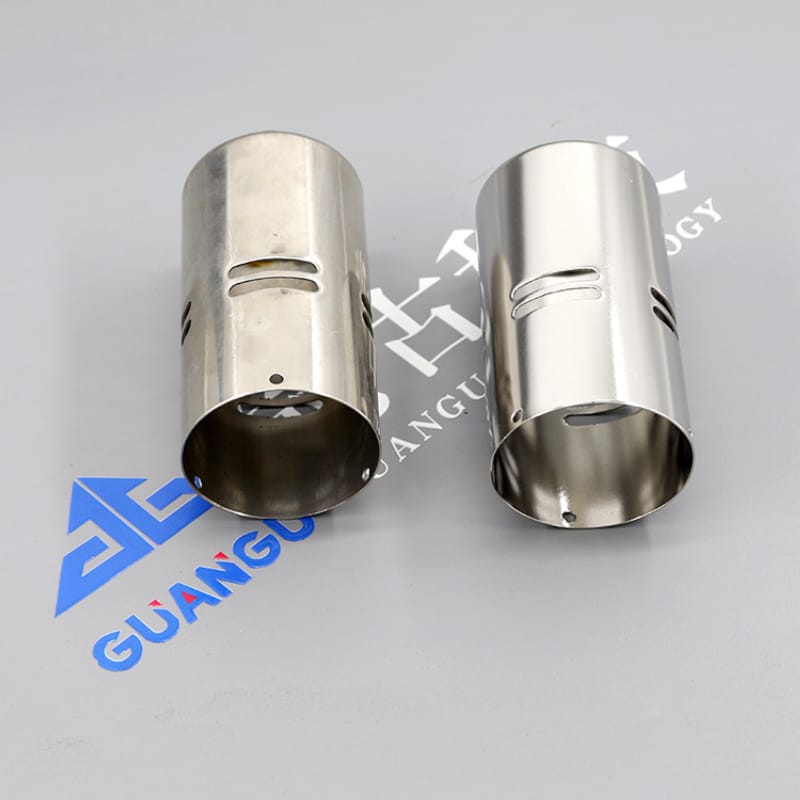
Based in the precision industry highland of the Yangtze River Delta, Suzhou Guangu magnetic polishing machines closely follow the wave of technological evolution, deeply cultivating complete magnetic grinding solutions. Relying on continuous technological accumulation, it has built multiple core competitive advantages. Guangu’s self-developed and optimized multi-pole balanced magnetic circuit structure and dynamic variable-frequency magnetic field control system effectively improve the industry-wide problems of uneven magnetic field distribution and local missed polishing. The flexible grinding process features controllable force, with no hard impacts during processing, making thin-walled parts and small aluminum alloy components less prone to deformation and scratching. This perfectly adapts to the process requirements of aluminum barrel polishing, stably achieving comprehensive part deburring for complex irregular parts and micro-hole crevices. The equipment supports batch automated processing, allowing a single operator to monitor multiple machines, significantly reducing labor costs. The model spectrum is comprehensive, ranging from small laboratory prototype models to large-scale mass production models, adapting to various small-part deburring scenarios.
As a professional magnetic polishing equipment manufacturing enterprise, Suzhou Guangu Technology strictly adheres to international production standards. It has successively obtained the ISO 9001 Quality Management System Certification, and its equipment has passed the CE European Union Safety Certification and RoHS Hazardous Substance Restriction Certification. With a complete set of authoritative qualification documents, it aligns with overseas market norms in production control, equipment safety, and environmental requirements, providing complete and compliant documentation support for domestic and international clients, making it a trustworthy partner for metal surface treatment equipment.
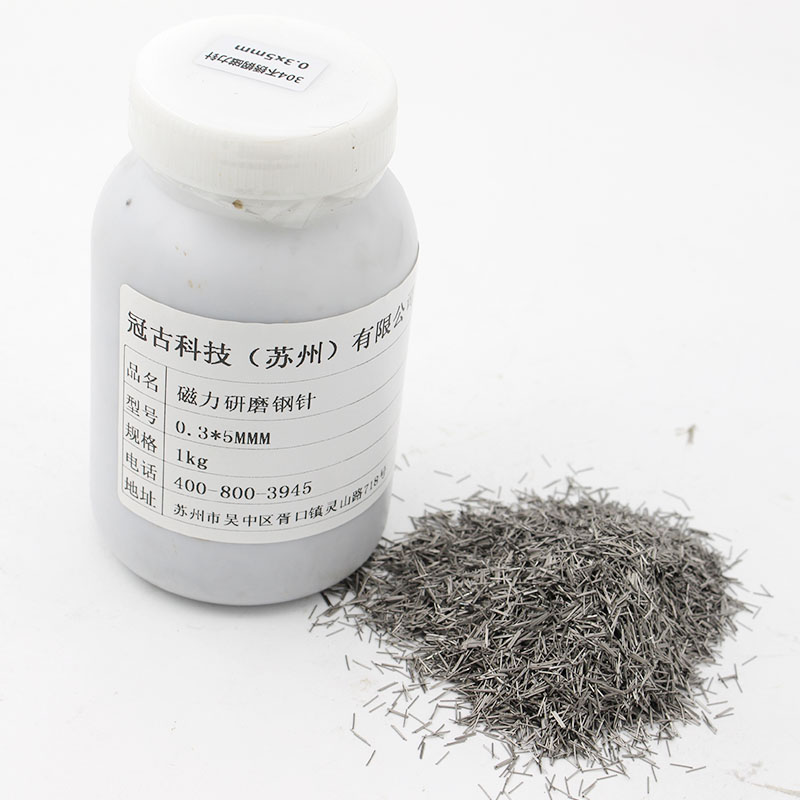
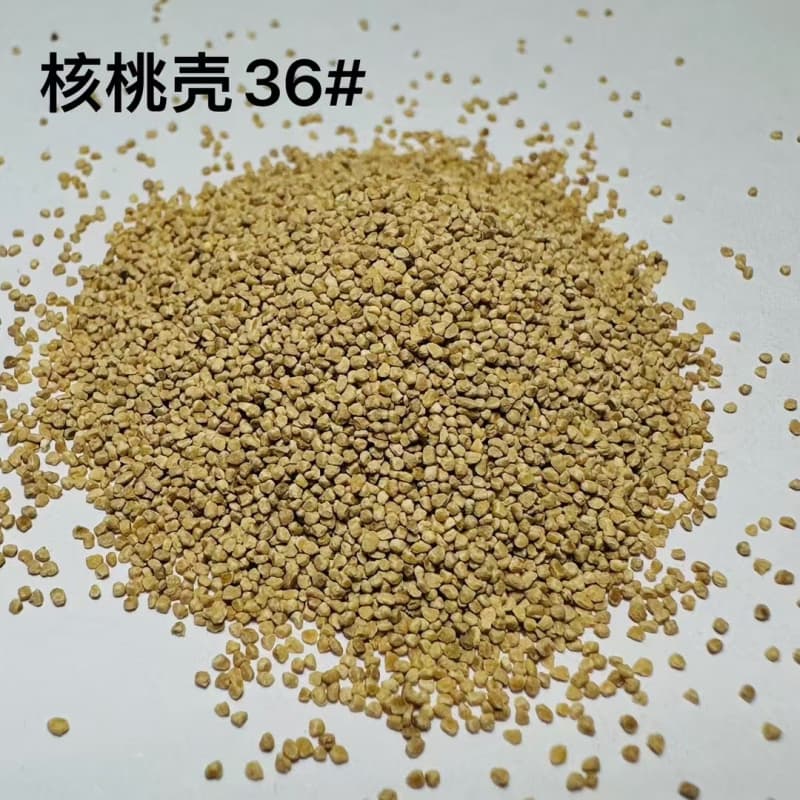
Furthermore, Guangu collaborates with high-quality upstream deburring media suppliers to customize magnetic pin specifications and polishing solutions based on workpiece materials and processing goals, providing an integrated supporting service of media polishing machine equipment and grinding consumables. The whole machine features a stable structure and a perfect cooling system, ensuring stable performance during long-term continuous operation and lower maintenance costs. Unlike the homogenized, simplified magnetic polishing machines on the market, Guangu continuously refines its process database, presetting mature processing parameters for workpieces of different materials. This helps manufacturing enterprises quickly implement surface finishing production lines and shorten the trial production cycle.
Looking at the domestic landscape, the current magnetic polishing industry in China presents clear technical development trends:
Looking to the future, magnetic polishing technology remains in a continuous breakthrough cycle, with clear long-term development directions:
The bottlenecks of traditional grinding processes are becoming increasingly prominent, and magnetic polishing has undoubtedly become the key process for the transformation and upgrading of metal surface treatment. Domestic equipment enterprises represented by Suzhou Guangu continue to deepen their technological expertise, follow frontier industry R&D directions, continuously optimize the comprehensive performance of media polishing machines, and continuously perfect mature process solutions for aluminum barrel polishing and precision part deburring. In the future, with the continuous breakthrough of domestic magnetic polishing technology, surface finishing machines with higher intelligence and higher versatility will continuously empower high-end manufacturing industries such as hardware, automotive parts, new energy, and medical equipment, boosting China’s precision surface treatment industry toward a higher level of autonomy.
If you have needs for metal polishing, deburring, scratch removal, or oxide layer removal, please feel free to contact us at any time. Call our consultation hotline or send a private message to obtain an exclusive quotation and technical support. Conduct an on-site visit to our equipment production workshop to personally experience the outstanding performance of Suzhou Guangu magnetic polishing machines. Let us use our professional strength to help you solve various challenges in metal surface treatment!
Email: zhihong@szguangu.com
Whatsapp: 8613328008563
Website: www.jsguangu.com
Address: No. 333, Zixu Road, Xukou Town, Wuzhong District, Suzhou City, Jiangsu Province, China
Professional manufacturer of magnetic polishing & deburring machines for metal,precision parts. View all posts by guangu_Germany
Matching polishing equipment for you based on your product and production capacity.
No account yet?
Create an Account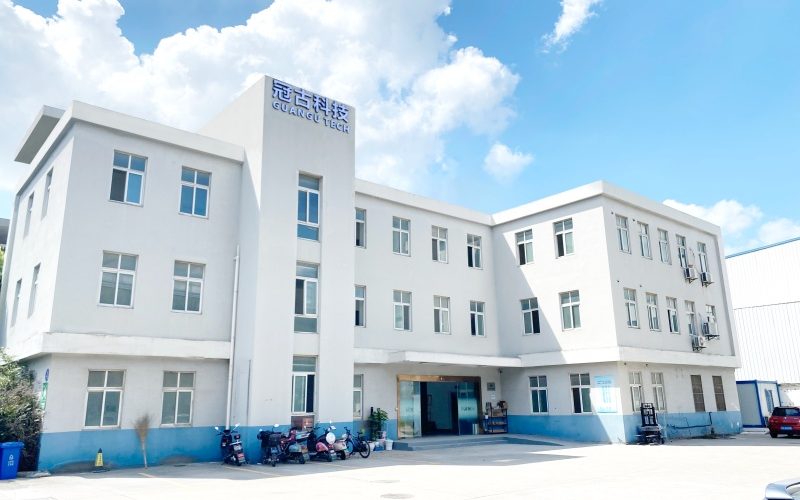
 Product Category – Mirror polishing machine
 Product Category – Magnetic Pin