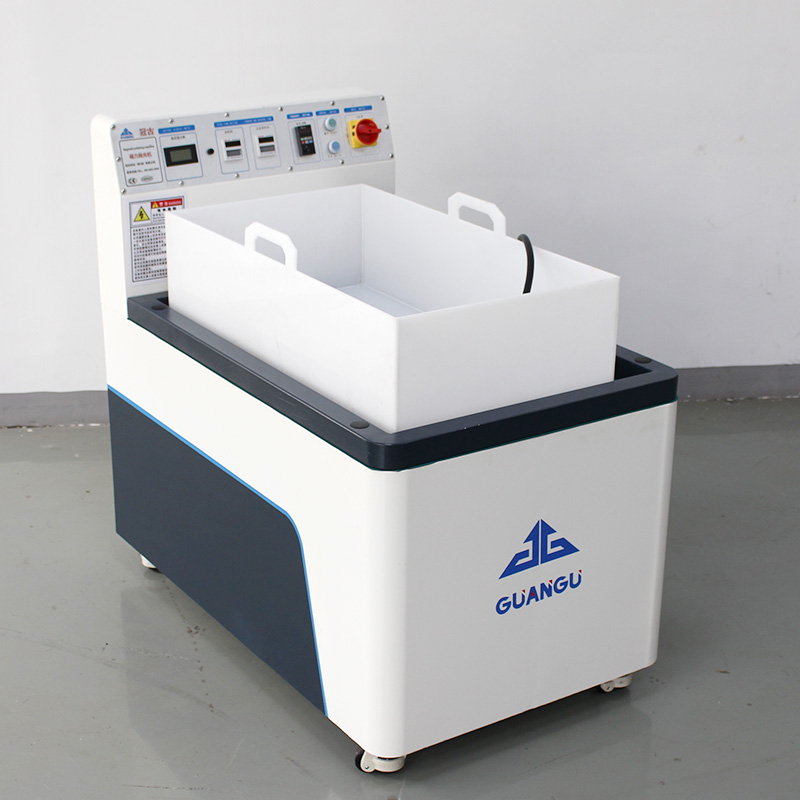

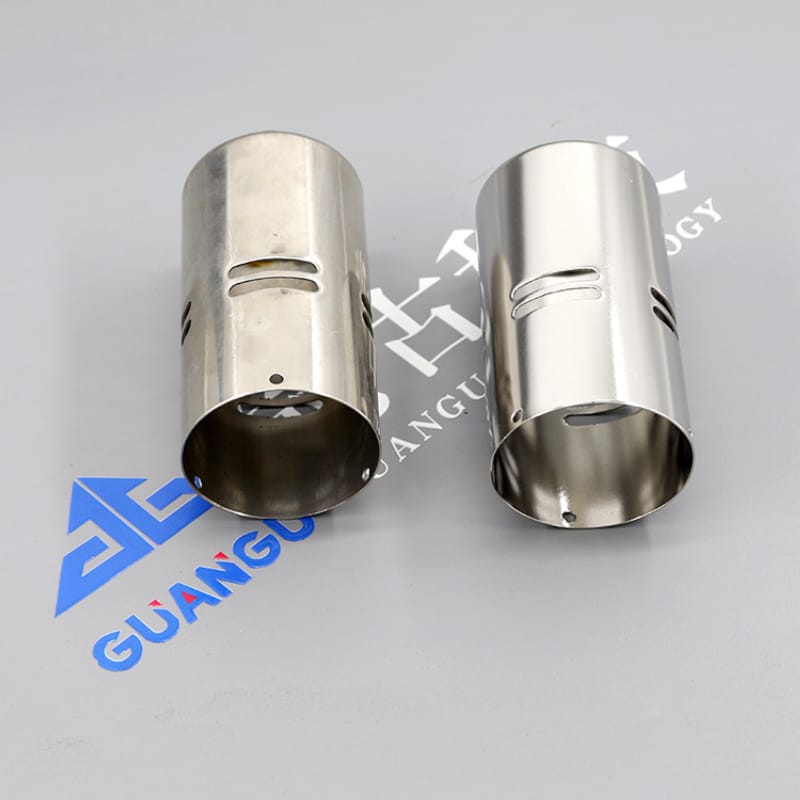


A magnetic polishing machine can handle an extremely wide range of materials, making it a versatile solution for both soft and hard metals, as well as certain plastics. It processes hard alloys and soft precious metals while perfectly preserving workpiece precision.
To give you a clearer picture, I’ve divided the applicable materials into three main categories:
– Common Metals: This is where our metal polishing equipment is most widely used, offering high processing volume and broad application.
– Stainless steel, iron, copper, aluminum, zinc, magnesium, etc.
– These are the most common materials in everyday processing. Whether for deburring or polishing, the results are excellent.
– Precious Metals and Specialty Alloys: These materials demand high processing precision and surface quality, and the magnetic polisher’s “non-destructive processing” advantage is especially prominent here.
– Gold, silver, and other jewelry materials
– Titanium alloys (commonly used in aerospace and medical fields)
– Cemented carbides / hard alloys
– These materials are typically high-value. Magnetic polishing ensures that dimensions and shapes are not altered during the polishing process.
– Non-Metals: This is perhaps a “hidden skill” of a modern magnetic deburring machine that many people don’t know about.
– Hard plastics
– For example, precision plastic parts or housings can also have their burrs removed and surfaces smoothed using magnetic polishing.
🛠️ Specific Application Scenarios
Beyond just materials, you’re probably also wondering what types of workpieces it can handle. The magnetic polisher’s greatest strength is its ability to reach “every nook and cranny with meticulous precision.” It is especially good at handling complex parts that traditional processes struggle with:
– Complex structural parts:Such as gears, screws, springs, and precision stamped parts—those with internal holes, gaps, threads, or blind corners—it handles them all with ease.
– Parts from different manufacturing processes: Whether CNC-machined parts, die-cast parts, or powder metallurgy parts, the magnetic polisher can remove machining burrs or oxide layers effectively.
So, essentially, as long as your workpiece isn’t made of soft materials like wood or paper, and isn’t too large to fit into the grinding barrel, the magnetic polisher can find a suitable process to handle it.
If you have a specific material or part in mind and want to confirm whether it can be processed, just let me know and I’ll help you assess it
Professional manufacturer of magnetic polishing & deburring machines for metal,precision parts. View all posts by guangu_Germany
Matching polishing equipment for you based on your product and production capacity.
No account yet?
Create an Account
 Product Category – Mirror polishing machine
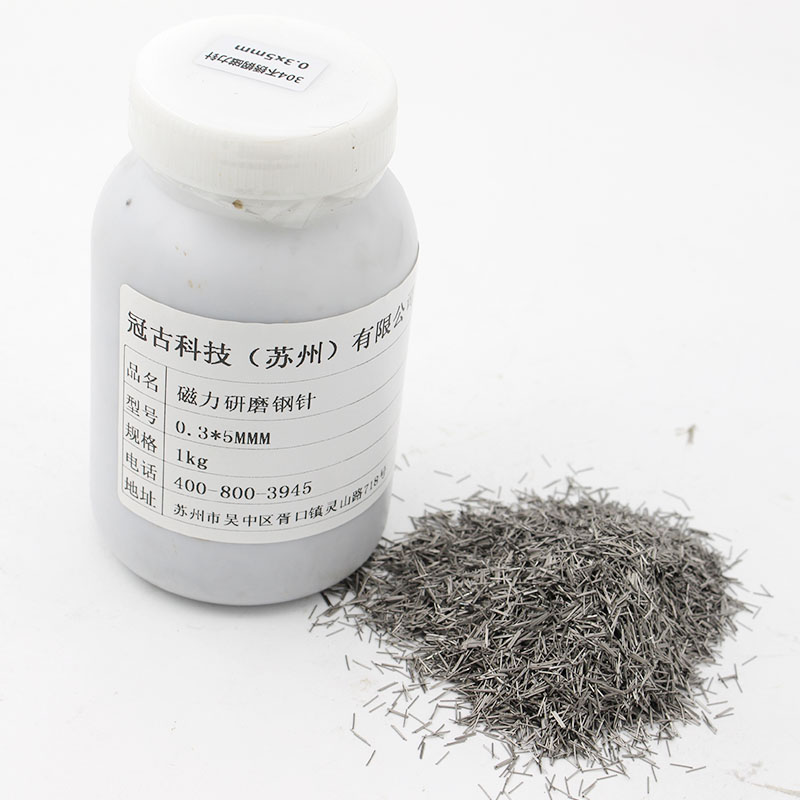
 Product Category – Magnetic Pin