
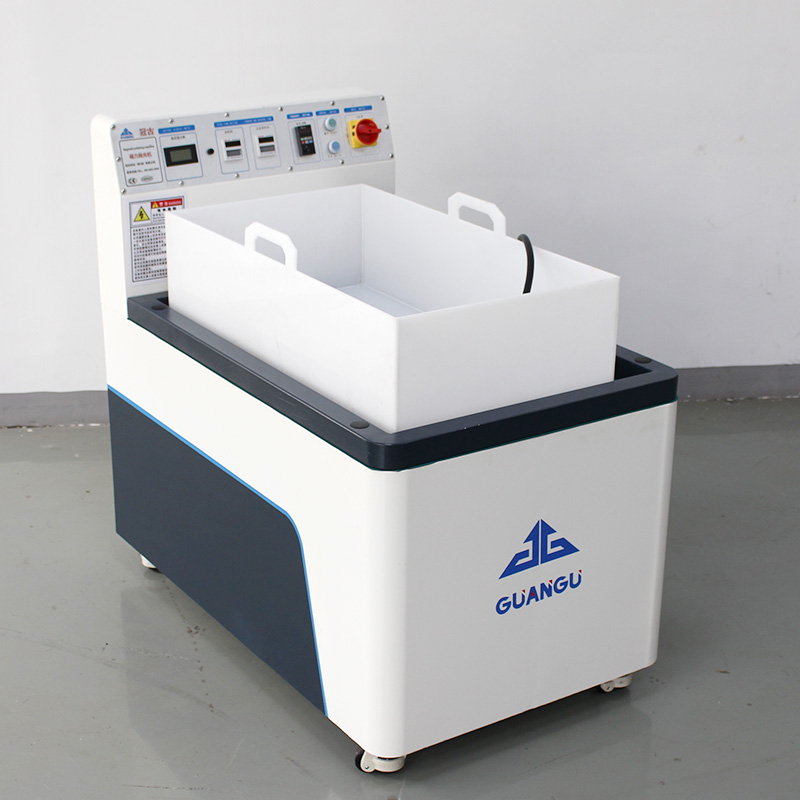

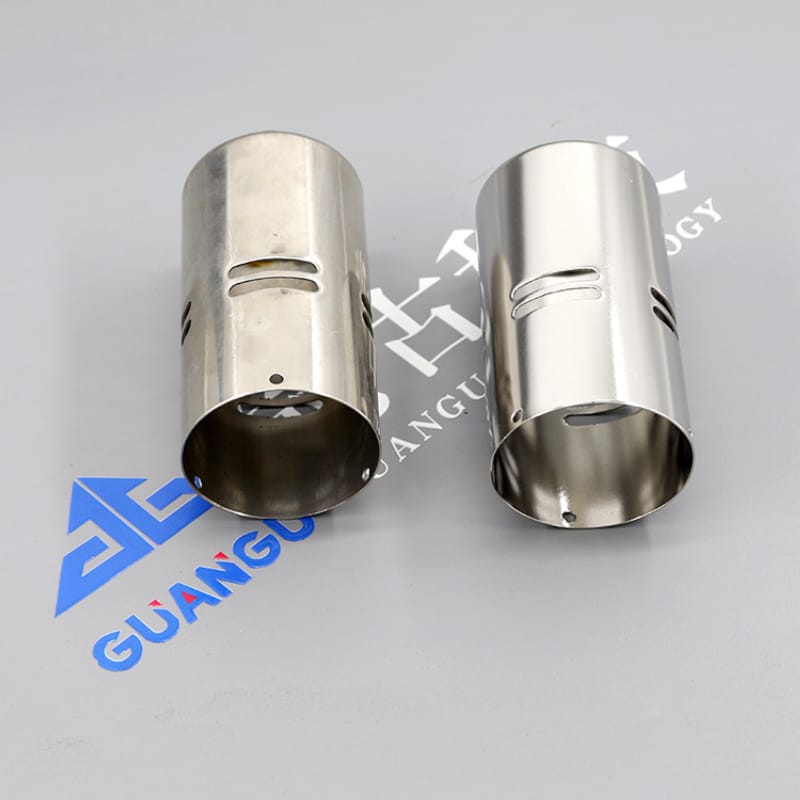

Because You Are Doing It Wrong Today, I Take You Through the “Correct Way” of Using a Magnetic Polisher
Hi, everybody!
My friends in the precision hardware parts and metal components industry often ask me the same question: Is it really that hard to polish copper parts?
Particularly when using a magnetic polishing machine, some often experience such a scenario: the burrs are not thoroughly polished and the copper parts become black after polishing. Once copper parts are black, that whole batch is scrapped.
Actually, not that your magnetic polishing machine is not good enough,
but rather that you are using it wrong.
Today, I am going to share with you a set of magnetic polishing skills for copper parts. It will only take you 3 minutes to read this article, but your magnetic polishing quality is guaranteed to improve by over 50%.
Learn more about copper properties and its industrial applications.
I. What Are the Steps for Polishing Copper Parts?
Step 1: Never Skip This Step, or All That Follows Are Wasted Efforts.
Some people put oily copper parts directly into a magnetic polishing barrel. As a result, the polishing fluid turns black, the stainless-steel pins become foul-smelling, and the copper parts turn black as well.
Degreasing metal parts is the very first and foremost step in magnetic polishing.
Copper is a precious and relatively soft metal, and if its surface is coated with oil, the magnetic polishing fluid will not be able to directly act on the copper parts. Worse still, the oil will adhere to the copper parts due to the high-speed friction and carbonize, thereby leaving unsightly “oxidation spots” on the copper surface. Therefore, it is of paramount importance to remove the surface oil from copper parts. Simply use dishwashing liquid or a degreasing agent to clean the copper parts. This single step can solve 80% of the problems associated with blackened copper parts.
Step 2: Do Not Overfill the Barrel—Slow is Fast
Some people put as many parts as possible into the magnetic polishing barrel because they believe that the more the parts to be polished, the faster the job will be done
This is a common but rather ridiculous fallacy
The working principle of a magnetic polishing machine determines that one needs to use an appropriate amount of magnetic steel pins so that they can effectively polish each and every corner of the metal parts. If the magnetic polishing barrel is overfilled, the magnetic steel pins will find it hard to directly act on all the metal parts.
My advice is to keep the amount of magnetic steel pins at below 30% of the barrel’s capacity. This will allow the magnetic polishing machine to achieve a better polishing effect.
As the adage goes, slow is fast, and less is more.
Step 3: How to Adjust Parameters? Remember Two Numbers
Copper is a relatively soft metal and therefore must be treated differently from stainless-steel parts. If one uses the same parameters—that is, the maximum speed and a 20- to 30-minute polishing cycle—to polish copper parts, the parts will suffer from dimensional reduction, scratching, and thermal blackening.
The key to polishing copper parts lies in low-temperature and short-cycle polishing.
Specifically, the polishing time should be controlled at 3-6 minutes, the rotational speed should be adjusted to 30-40 Hz, and the water temperature should preferably be below 50 degrees Celsius. The most critical parameter is the water temperature. If the water in the polishing barrel feels hot, you need to change it right away because high temperature will lead to rapid oxidation of the copper parts.
Step 4: What Polishing Fluid to Choose? Use Purified Water, Ideally!
The tap water in most areas is rather hard and contains a certain amount of chloride ions that can severely corrode copper. Using ordinary tap water to polish copper parts is counterproductive, as it will simultaneously polish and corrode the parts.
One viable solution is to use purified water together with a dedicated copper polishing fluid to achieve a brilliant golden finish. Though this method may be slightly more expensive, it is totally worth the money because the final product will look great.
II. What Are the Precautions?
1. Never polish copper parts with cutting oil or rust-preventive oil on their surface. Always remember that the main function of polishing fluid is to remove oxides and provide lubrication; it cannot remove oil. If the surface of copper parts is contaminated with oil, it will cause the entire water and steel pins to turn black and smell bad.
2. Water temperature is of paramount importance. Friction generates heat, and the water temperature should preferably be below 50 degrees Celsius. The high temperature may also promote oxidation and blackening of the copper parts. It is recommended to change the water after each batch or use a cooling device.
3. If the magnetic polishing machine is not going to be used for more than 1 day, the stainless-steel pins should be cleaned and dried to prevent rust, which may badly affect the next batch of copper parts.
III. What to Do If a Particular Problem Occurs? Refer to This Table
Now suppose some particular problems occur. What can you do? Well, check this table:
| What You See | Root Cause | My Solution |
| Blackened / dull surface | 1. No degreasing 2. Water temperature too high 3. Hard water quality | Switch to purified water; control time within 30 minutes; pause if water gets hot. |
| Dead corners not reached | Pin size is too large | Switch to 0.3 mm stainless steel pins – the thinner the pin, the better it reaches corners and internal holes. |
| Low brightness | Speed too high – over-polishing | Reduce speed! Copper isn’t iron – be gentler. |
| Severe machine vibration | Too many stainless steel pins | Reduce the number of pins. |
Problems Possible Causes My Suggestions Blackened / dull surface 1. No degreasing 2. Water too hot 3. Hard water Switch to purified water; control time within 30 mins; avoid hot water Dead corners not reached Pin too big Use 0.3mm stainless-steel pins; the smaller the better Lower brightness Speed too fast—over-polished Reduce speed! Copper is not iron! Severe vibration Too many stainless-steel pins Reduce the amount of stainless-steel pins
Finally, here is my summary for you:
When polishing copper parts, always remember to remove the oil, use purified water, control temperature, and reduce time.
As long as you abide by the aforementioned four principles, the copper parts polished in your magnetic polishing machine will surely look brilliant golden—so bright that any customer will be tempted to buy them.
Now, go and try this method of polishing copper parts!
Explore our metal polishing machines in our online shop. For more information, visit our knowledge base or contact us directly.
No account yet?
Create an Account
 Product Category – Mirror polishing machine
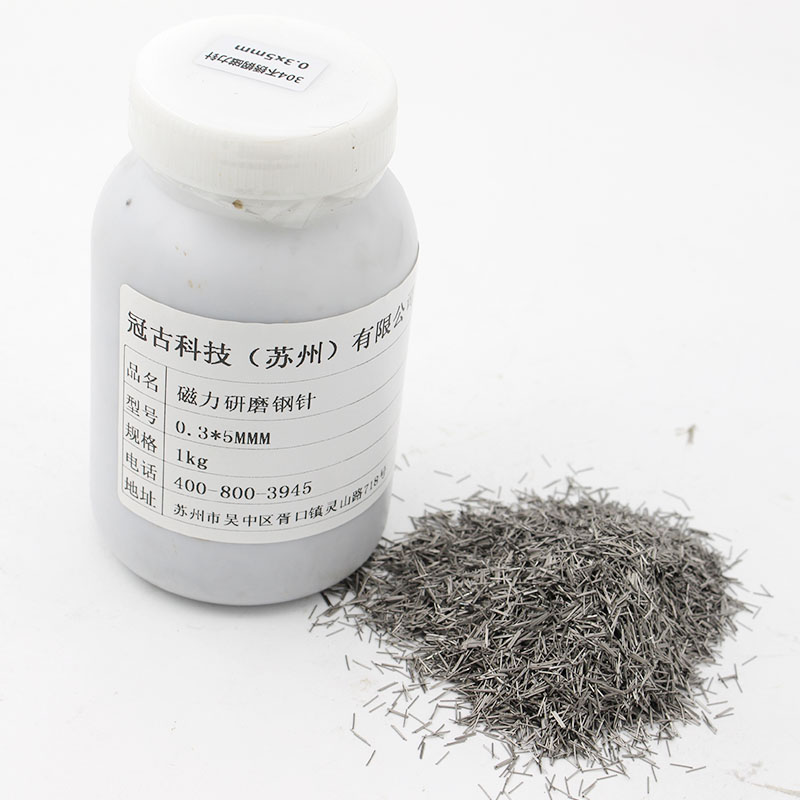
 Product Category – Magnetic Pin